Introduction
When most people think about cryptocurrency security, two terms come up again and again: hot wallet and cold wallet.
You’ll hear these terms mentioned across exchanges, custody platforms, trading apps, institutional asset management systems, and crypto wallets. But a lot of founders and businesses entering the digital asset space get the purpose of these two wrong.
The common assumption is that hot wallets and cold wallets are just different ways of storing crypto. In reality, they’re two critical layers within a much larger custody architecture. A digital asset platform’s security doesn’t come down to whether it uses a hot wallet or a cold wallet. It comes down to how well the two work together.
This matters because most security incidents in the crypto industry aren’t caused by the blockchain failing. They usually come from poor custody design, weak operational controls, too much hot wallet exposure, or infrastructure that wasn’t planned well enough.
If you’re building an exchange, a payment platform, a custody solution, an investment product, or a multi-currency wallet app, you need to understand hot and cold wallet architecture. Because before users trust your platform with their digital assets, your architecture needs to prove it can protect them.
Why Wallet Custody Architecture Matters?
As the crypto industry matures, user expectations keep evolving. Users don’t judge platforms on features alone anymore. They judge them on trust.
Can the platform protect assets?
Can withdrawals go through reliably?
Will funds stay secure during high-activity periods?
Can the platform hold up against sophisticated cyber threats?
You won’t find the answers to these questions in the user interface. They are found in the custody architecture operating behind the scenes. A well-designed custody model creates security, operational stability, and user confidence. A poorly designed custody model creates risk.
This is why every successful exchange, wallet provider, and institutional custody platform invests heavily in custody infrastructure. The objective is not simply storing cryptocurrency. The objective is protecting digital assets while maintaining operational efficiency.
What Is a Hot Wallet?
A hot wallet is basically a crypto wallet that stays online, ready to handle transactions as they come in. Send crypto, withdraw funds, get a deposit, use a decentralized app, run a blockchain transaction — a hot wallet is usually sitting behind the scenes for most of that. Being online all the time is exactly why these wallets can hand over instant access to your assets.
And that’s the whole reason they work so well for everyday use. Think about withdrawing from a crypto exchange: that request almost always runs through a hot wallet built for speed. Take away hot wallets, and crypto platforms would have a much harder time giving users the fast, easy experience they’ve come to expect.
Of course, nothing comes free. Hot wallets sit on networks open to the outside world, so they naturally carry more risk than something kept offline. Still, that doesn’t make them unsafe.
It simply means they must be managed carefully. The strongest platforms treat hot wallets as operational liquidity systems rather than long-term storage systems.
The Role of Hot Wallets in Modern Crypto Platforms
Many businesses assume hot wallets exist to store user assets. This is not their primary purpose. Their primary purpose is facilitating transactions. Think of a hot wallet as the working capital account of a digital asset platform.
Just as traditional financial institutions maintain operational liquidity to process customer transactions, crypto platforms maintain a controlled amount of cryptocurrency inside hot wallets to support daily activity.
This liquidity enables:
- User withdrawals
- Blockchain transfers
- Trading settlement
- Payment processing
- DeFi interactions
- Internal asset movements
Without operational liquidity, transaction delays would increase significantly. Users expect immediate execution. Hot wallets make that possible. However, because operational convenience introduces risk, mature platforms intentionally limit the amount of cryptocurrency stored online.
You Understand Wallet Security. Now Build It the Right Way
You’ve learned why hot wallets power transactions and why custody architecture matters. Now it’s time to build a wallet infrastructure that’s secure, scalable, and ready for real-world crypto operations.
What Is a Cold Wallet?
A cold wallet is a cryptocurrency storage environment that remains disconnected from the internet. Cold wallets, unlike hot wallets, are built mainly for protecting assets, not for handling transactions.
Since they have no internet connection, they’re far less exposed to outside threats. Being offline means attackers can’t get to them through the usual network-based attacks. This makes cold storage one of the most effective security controls available within digital asset infrastructure.
Cold wallets are commonly used to protect:
- Customer reserves
- Treasury assets
- Long-term holdings
- Institutional funds
- Strategic liquidity reserves
Rather than supporting daily transactions, cold wallets function as secure vaults designed to safeguard assets over extended periods. This is why virtually every major cryptocurrency exchange utilizes cold storage as part of its custody framework.
Why Cold Storage Became the Industry Standard?
The cryptocurrency industry has experienced numerous security incidents over the years. Many of these incidents share a common theme. Assets stored in online environments faced greater exposure to operational risks.
As digital asset values increased, businesses began adopting stronger custody controls. This led to widespread adoption of cold storage strategies. Today, cold storage is considered one of the most important security practices in the industry.
Leading platforms understand a fundamental principle: Not all assets need immediate accessibility. Only operational liquidity requires real-time access.
The majority of assets can remain protected within secure offline environments. This simple concept dramatically reduces potential exposure while strengthening overall platform security.
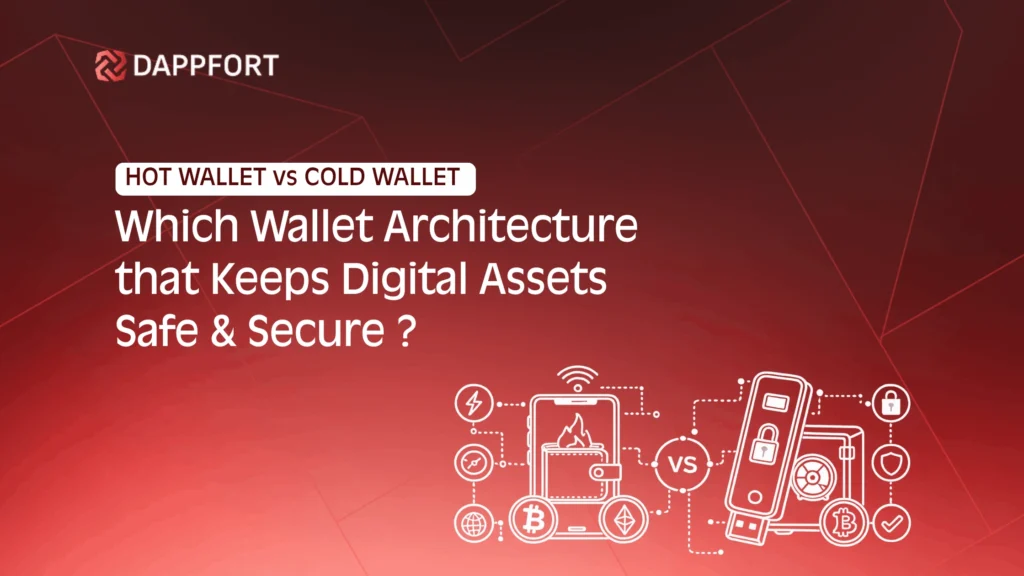
Hot Wallet vs Cold Wallet: Understanding the Core Difference
The difference between hot wallets and cold wallets is not simply connectivity. The difference is purpose.
Hot wallets prioritize accessibility. Cold wallets prioritize protection.
Hot wallets support operational efficiency. Cold wallets support long-term security.
Hot wallets process transactions. Cold wallets secure reserves.
Neither system replaces the other. Both serve different functions within a complete custody architecture. The strongest platforms do not choose between hot wallets and cold wallets. They use both strategically.
How Modern Exchanges Use Hot and Cold Wallet Architecture?
A common misconception among new founders is that digital assets remain entirely within a single wallet environment. In reality, mature exchanges operate multiple custody layers.
A typical workflow may look like this:
Users deposit funds into platform-controlled wallets. A portion of those assets remains inside hot wallet infrastructure to support withdrawals and operational activity.
The majority of assets are periodically transferred into cold storage environments for long-term protection. When additional liquidity is required, assets are moved from cold storage back into operational systems through controlled authorization workflows.
This creates a balance between security and accessibility. Users receive fast transaction processing.
The platform reduces risk exposure. The custody architecture remains sustainable as the business scales.
Common Hot Wallet Security Controls
Because hot wallets operate online, they require additional security measures. Enterprise-grade platforms often implement multiple layers of protection, including:
Multi-Factor Authentication
Additional authentication requirements help reduce unauthorized access risks.
Withdrawal Controls
Transaction limits and approval workflows reduce the impact of compromised accounts.
Real-Time Monitoring
Automated systems continuously monitor transaction activity and detect anomalies.
Device Verification
Unknown devices may trigger additional security reviews.
Risk Scoring Systems
Suspicious transactions can be flagged for investigation before processing.
API Security Controls
Rate limiting and access controls help prevent abuse and exploitation. The goal is not eliminating risk entirely. The goal is minimizing exposure while maintaining operational efficiency.
Common Cold Wallet Security Controls
Cold storage environments focus on asset protection. As a result, security controls often extend beyond traditional cybersecurity measures.
Examples include:
Multi-Signature Authorization
Multiple approvals may be required before assets can be moved.
Offline Key Storage
Private keys remain disconnected from internet-accessible systems.
Hardware Security Modules
Specialized hardware devices provide additional protection for cryptographic operations.
Geographic Distribution
Critical security components may be distributed across multiple locations.
Access Governance
Strict procedures define who can access custody environments.
Disaster Recovery Planning
Backup systems ensure business continuity under adverse conditions. Together, these controls create a layered security framework designed to protect large-scale digital asset holdings.
Secure Digital Assets Before They Become Your Biggest Risk
From hot wallet infrastructure to cold storage, multi-signature authorization, and secure key management, Dappfort helps businesses build enterprise-grade wallet ecosystems designed for security, compliance, and scalability.
The Biggest Mistake Founders Make
One of the most common mistakes among new crypto businesses is focusing on wallet technology before custody strategy.
Founders often ask:
Which blockchain should we support?
Which wallet framework should we use?
What features should we launch first?
While these questions matter, they overlook a more important issue.
How will assets be protected?
Without a clear custody strategy, even the most advanced wallet platform can introduce significant operational risks.
Security begins with architecture.
The strongest platforms design custody systems before discussing features.
Choosing the Right Custody Model for Your Business
Different business models require different custody strategies. A crypto exchange handling daily trading activity requires substantial operational liquidity. A treasury management platform may prioritize long-term asset protection.
A payment platform may require rapid transaction processing. An institutional custody provider may prioritize governance and authorization controls. There is no universal custody model.
The appropriate approach depends on business objectives, transaction volume, regulatory requirements, and user expectations. The most successful businesses align custody architecture with operational needs rather than adopting generic solutions.
What Businesses Should Evaluate Before Launching?
Before building a wallet or exchange platform, founders should evaluate:
- Asset protection requirements
- Operational liquidity needs
- User withdrawal expectations
- Security governance frameworks
- Scalability objectives
- Risk management procedures
- Future growth plans
These considerations influence custody architecture far more than feature decisions. The earlier they are addressed, the stronger the resulting infrastructure becomes.
How Dappfort Approaches Wallet Custody Architecture?
At Dappfort, we view wallet security as an infrastructure challenge rather than a feature requirement. As a cryptocurrency wallet development company, our custody architecture planning process focuses on balancing security, operational efficiency, and scalability.
We help businesses design:
- Hot wallet environments
- Cold storage infrastructure
- Multi-signature authorization systems
- Secure key management frameworks
- Withdrawal approval workflows
- Transaction monitoring systems
- Multi-chain custody architecture
By approaching wallet development through an infrastructure-first lens, businesses can launch with greater confidence while preparing for long-term growth.
Final Thoughts
The discussion around hot wallets and cold wallets is often oversimplified. The reality is that both play critical roles within modern digital asset infrastructure.
Hot wallets provide accessibility. Cold wallets provide protection. Together, they create the custody architecture that enables secure and scalable digital asset operations.
Businesses entering the cryptocurrency industry should avoid thinking in terms of choosing one or the other. The real objective is designing an architecture that balances operational efficiency with asset protection.
The strongest digital asset platforms are not built on features alone. They are built on trust. And trust begins with custody architecture.
Your Crypto Platform Deserves Enterprise-Grade Wallet Security
Whether you’re launching a crypto exchange, wallet, payment platform, or custody solution, Dappfort provides end-to-end wallet development and custody architecture tailored to your business. Build with confidence from day one.
Frequently Asked Questions
What is a hot wallet?
A hot wallet is a type of crypto wallet that’s always online, letting you send and receive funds quickly whenever you need to.
What is a cold wallet?
A cold wallet keeps your crypto completely offline. It’s built specifically to protect your holdings from online threats.
Which is more secure, hot wallet or cold wallet?
Cold wallets tend to be the safer option simply because they aren’t exposed to the internet. Still, hot wallets aren’t just a security risk — they play a real role too, and together they make up a well-rounded approach to custody.
Why do exchanges use both hot and cold wallets?
Exchanges keep hot wallets running for day-to-day transactions, while the bulk of funds sit in cold wallets for safekeeping. It comes down to balancing ease of use against protection.
How much cryptocurrency should be stored in a hot wallet?
It depends on the platform and how much liquidity it needs to operate. Generally speaking, though, established platforms try to keep hot wallet balances small and move most of their holdings into cold storage instead.
What is custody architecture?
Custody architecture describes the overall framework — the systems and processes — a platform puts in place to keep digital assets secure and control how they get moved or accessed.
How does Dappfort help businesses build secure wallet infrastructure?
Dappfort helps businesses design secure wallet ecosystems including hot wallets, cold storage architecture, key management systems, transaction authorization frameworks, and scalable custody infrastructure.
Related Reading:
- Multi-Signature Wallet Infrastructure for Crypto Exchanges
- MPC Wallet vs Multi-Signature Wallet: Choosing the Right Custody Solution
- Private Key Management Explained
- Crypto Exchange Custody Architecture: Hot Wallets, Cold Storage & MPC Security
- Crypto Wallet Security Architecture: 12 Features That Keep User Funds Safe