Introduction
Every cryptocurrency wallet exists for one reason: to protect digital assets.
People judge a wallet by its interface, supported cryptocurrencies, or user experience. But when the security falls apart, none of that really counts. Over the years, crypto has watched billions of dollars vanish because of stolen private keys, weak authentication systems, bad wallet infrastructure, and sloppy transaction approvals.
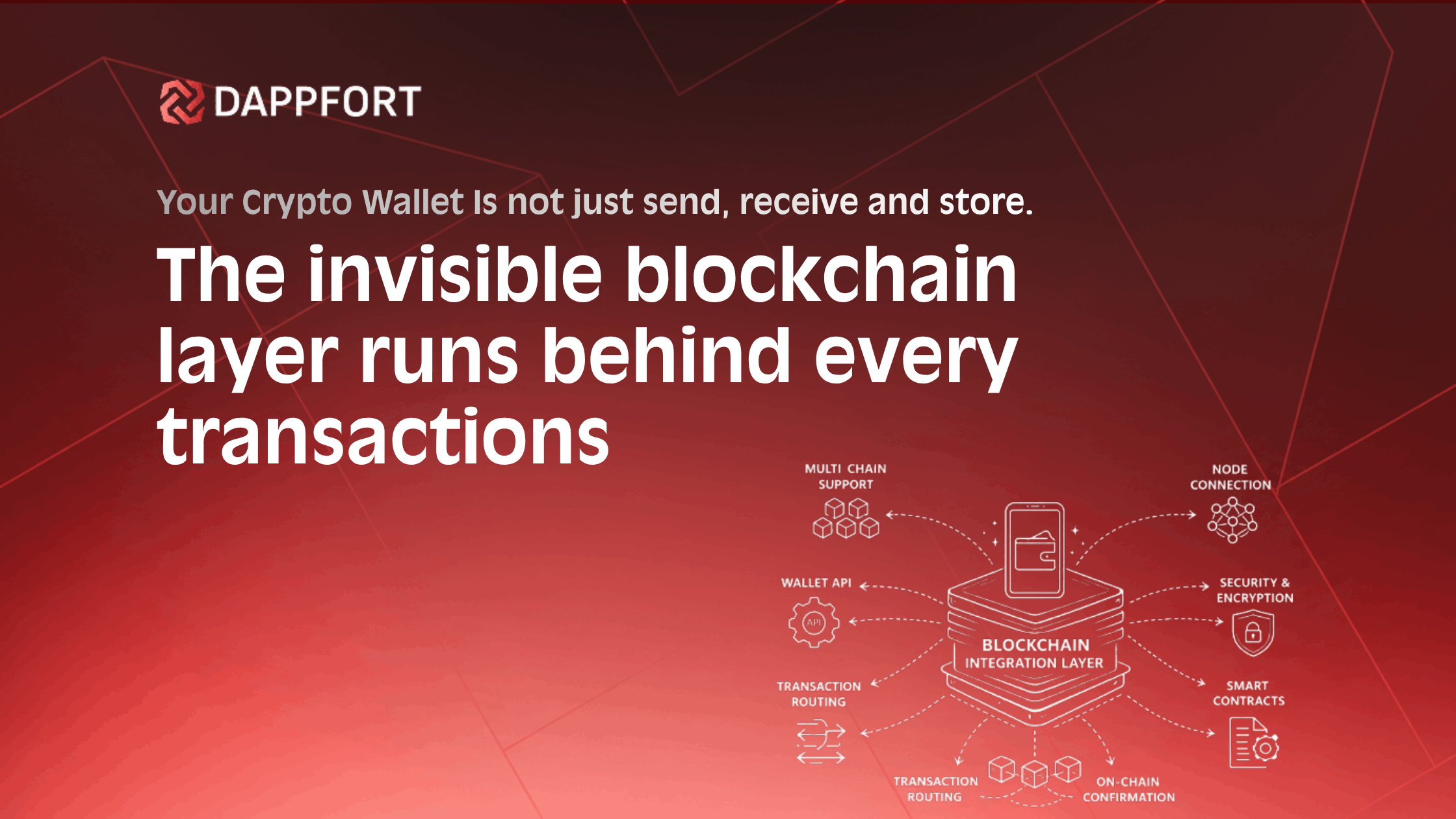
Crypto wallet security is not just one feature. It runs across multiple layers that all pull together to keep user funds safe from outside attacks and weak spots hiding on the inside.
For businesses looking to build a cryptocurrency wallet, getting a firm grip on these security layers is not something you can afford to skip. The calls made during architecture planning are very often what decides whether a wallet earns people’s trust or ends up making the wrong kind of headlines.
In this guide, we break down the security features every crypto wallet truly needs and explain how modern wallet security architecture keeps digital assets safe at scale.
Understand about Crypto Wallet Security
Crypto wallet security covers the architecture, technologies, and operational controls put in place to shield digital assets from unauthorized access, theft, fraud, and cyberattacks.
Modern wallet security combines private key management, encryption, transaction signing, multi-factor authentication, hot and cold wallet segregation, blockchain monitoring, and continuous threat detection to secure user funds.
Why Security Is the Foundation of Every Crypto Wallet?
Unlike traditional applications, cryptocurrency wallets deal with real financial assets. If someone gets hold of wallet credentials or private keys, no bank or payment processor is going to show up and make things right.
Blockchain transactions cannot be undone once they go through.
This means wallet security architecture has to be built around the reality that attacks will come at some point and the system needs to be set up in a way that keeps the fallout as small as possible.
A secure wallet protects:
- Private keys
- Recovery phrases
- User credentials
- Transaction authorization
- Blockchain communications
- Wallet infrastructure
- Backend systems
The strongest wallets are not built around a single security feature. They are built using multiple layers of protection that cover for each other.
What Security Features Should a Crypto Wallet Have?
A crypto wallet is only as strong as the security built underneath it. Getting the features right from the start is what separates a wallet people trust from one that becomes a liability.
A secure crypto wallet should include:
- Secure private key management
- Multi-factor authentication (MFA)
- Transaction signing protection
- Hot and cold wallet segregation
- Recovery phrase security
- End-to-end encryption
- Device fingerprinting
- Withdrawal protection controls
- Real-time monitoring
- Blockchain transaction monitoring
- API security and rate limiting
- Regular security audits
Security Feature 1: Secure Private Key Management
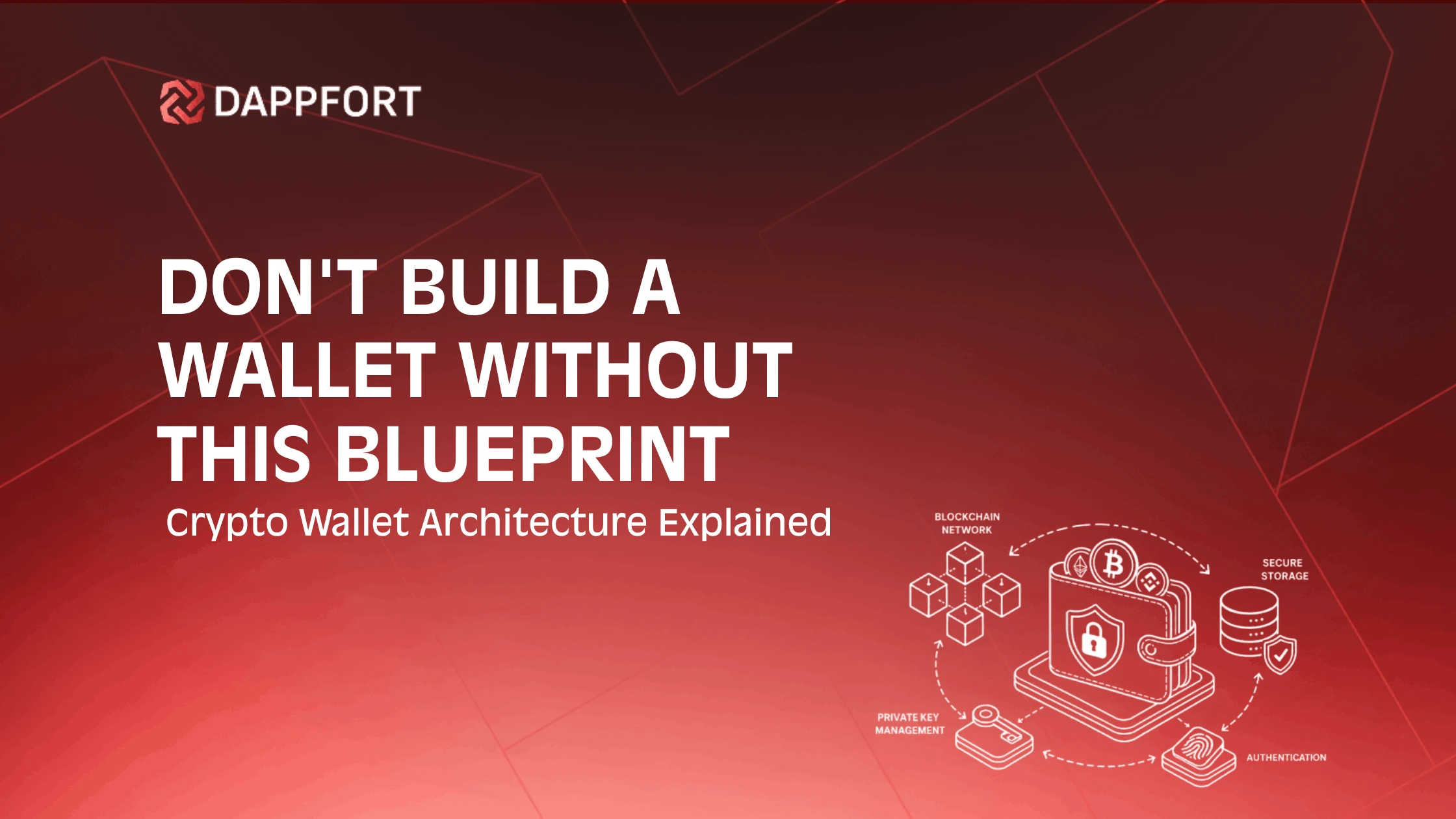
Private keys are the foundation of cryptocurrency ownership. Whoever holds the private key holds the assets. This is exactly why private key management sits at the very top of wallet security architecture. A secure wallet should never let private keys get exposed during storage, transmission, or transaction processing.
Modern wallet platforms typically use:
- Encrypted key storage
- Hardware security modules (HSMs)
- Secure enclave technology
- MPC custody systems
- Multi-signature frameworks
Poor private key management is still sitting behind a massive share of cryptocurrency theft cases today. For businesses building wallets, key management architecture needs to be nailed down before a single line of application code gets written.
Security Feature 2: Multi-Factor Authentication (MFA)
Passwords on their own just do not cut it anymore. Modern wallets need more than one authentication layer to properly check who is actually trying to get in.
Common MFA methods include:
- Authenticator applications
- Biometric authentication
- Hardware security keys
- Email verification
- SMS verification
Multi-factor authentication is genuinely one of the strongest tools available for stopping account takeovers dead in their tracks. Even when login credentials land in the wrong hands, having that extra verification step makes it extremely difficult for anyone to break in without permission.
For custodial wallets and enterprise platforms, MFA needs to be switched on for actions like withdrawals and any changes made to security settings.
Security Feature 3: Transaction Signing Protection
A lot of users think a transaction is finished the second they hit Send. In reality, a cryptocurrency transaction only becomes valid once cryptographic signing actually happens.
The wallet signing process sits right at the core of wallet security architecture.
Secure transaction signing handles:
- Transaction authenticity
- User authorization
- Data integrity
- Non-repudiation
Modern wallets tend to keep signing operations well away from internet-facing infrastructure to lower the chances of exposure.
Some enterprise-grade platforms take things even further with:
- Offline signing
- MPC signing
- Multi-signature authorization
- Hardware signing devices
The more solid the transaction signing process, the harder it gets for attackers to slip unauthorized transfers through unnoticed.
Security Feature 4: Hot Wallet and Cold Wallet Segregation
Keeping all funds online is never a wise move. One of the most basic security principles in cryptocurrency custody is making sure operational liquidity stays completely separate from long-term asset storage.
Hot Wallets
Hot wallets stay connected to the internet and handle transactions on a daily basis.
Benefits:
- Fast access
- Instant withdrawals
- Operational flexibility
Risks:
- Larger attack surface
- Internet exposure
Cold Wallets
Cold wallets stay completely offline.
Benefits:
- Maximum security
- Reduced attack exposure
- Long-term asset protection
Most secure platforms keep somewhere around 90–95% of funds sitting in cold storage and only hold what is genuinely needed for daily operations in hot wallets.
This way, even when online systems take a hit, the overall damage stays manageable.
Security Feature 5: Recovery Phrase Protection
For non-custodial wallets, recovery phrases are really the last thing standing when everything else has gone sideways. A recovery phrase is what gets users back into their assets when a device is lost or just stops working.
Since a recovery phrase hands over full access to a wallet, letting it get lost or fall into the wrong hands is a situation nobody wants to find themselves in.
Secure wallet architecture should:
- Generate phrases securely
- Avoid server-side storage
- Educate users about protection
- Put verification workflows in place
When a recovery phrase gets compromised, losing the assets for good is almost always what comes next.
Security Feature 6: End-to-End Encryption
Sensitive wallet information should always stay encrypted, no exceptions whatsoever.
Encryption protects:
- Private keys
- User credentials
- Transaction data
- Backup information
Strong wallet architecture applies encryption at:
Data at Rest — Protects stored information.
Data in Transit — Protects network communications.
Application Layer — Protects sensitive wallet operations.
Any wallet that treats encryption as something optional is simply not serious about security.
Security Feature 7: Device Fingerprinting and Risk Detection
Modern wallets are leaning heavily on behavioral security systems to stay one step ahead of threats. Device fingerprinting gives platforms the ability to recognize trusted devices and flag anything that looks off before it snowballs into a real problem.
Examples include:
- New device detection
- Geographic anomalies
- Login pattern analysis
- Transaction behavior monitoring
When something does not look right, additional verification kicks in on its own. This puts up a solid wall against account takeover attempts.
Security Feature 8: Withdrawal Protection Systems
Most cryptocurrency theft goes down at the withdrawal stage. Because of that, withdrawal controls are among the most valuable security layers a wallet can have in its corner.
Common controls include:
- Withdrawal whitelists
- Time delays
- MFA verification
- Device verification
- Transaction review systems
These safeguards buy users enough time to spot and shut down unauthorized transfers before the assets are already out the door.
Security Feature 9: Real-Time Security Monitoring
A secure wallet has to keep a constant eye on both infrastructure and user activity at all times.
Monitoring systems are built to catch things like:
- Suspicious login attempts
- Abnormal transactions
- API abuse
- Bot activity
- Infrastructure threats
Having real-time monitoring up and running gives security teams a real shot at stepping in before things get out of hand. Security should always be handled before problems happen, not after the damage is already done.
Security Feature 10: Blockchain Transaction Monitoring
Wallet security does not stop at the application layer. What is happening out on the blockchain also needs to be watched closely.
Advanced wallet systems tend to look at:
- Transaction patterns
- High-risk addresses
- Fraud indicators
- Sanctioned wallets
- Compliance triggers
Keeping tabs on transactions improves both security and day-to-day operational visibility right across the platform.
Security Feature 11: API Security and Rate Limiting
Wallet APIs are one of the most frequently targeted attack surfaces in the whole industry.
When the right controls are not sitting in place, attackers can come at APIs through:
- Brute-force attacks
- Credential stuffing
- Traffic flooding
- Data scraping
Security architecture needs to cover:
- API authentication
- Rate limiting
- Traffic filtering
- DDoS protection
- Threat detection
Strong API security keeps both users and the platform infrastructure standing behind them well protected.
Security Feature 12: Security Audits and Penetration Testing
Any security architecture that does not get put through regular testing is going to have blind spots sitting in it somewhere. Bringing professionals in to go through the system properly helps surface vulnerabilities before someone with bad intentions gets there first.
Security assessments need to cover:
- Infrastructure reviews
- Code audits
- Smart contract audits
- Penetration testing
- Configuration reviews
Running regular security tests is not optional for any platform that wants to hold onto the trust of its users.
Common Crypto Wallet Security Mistakes
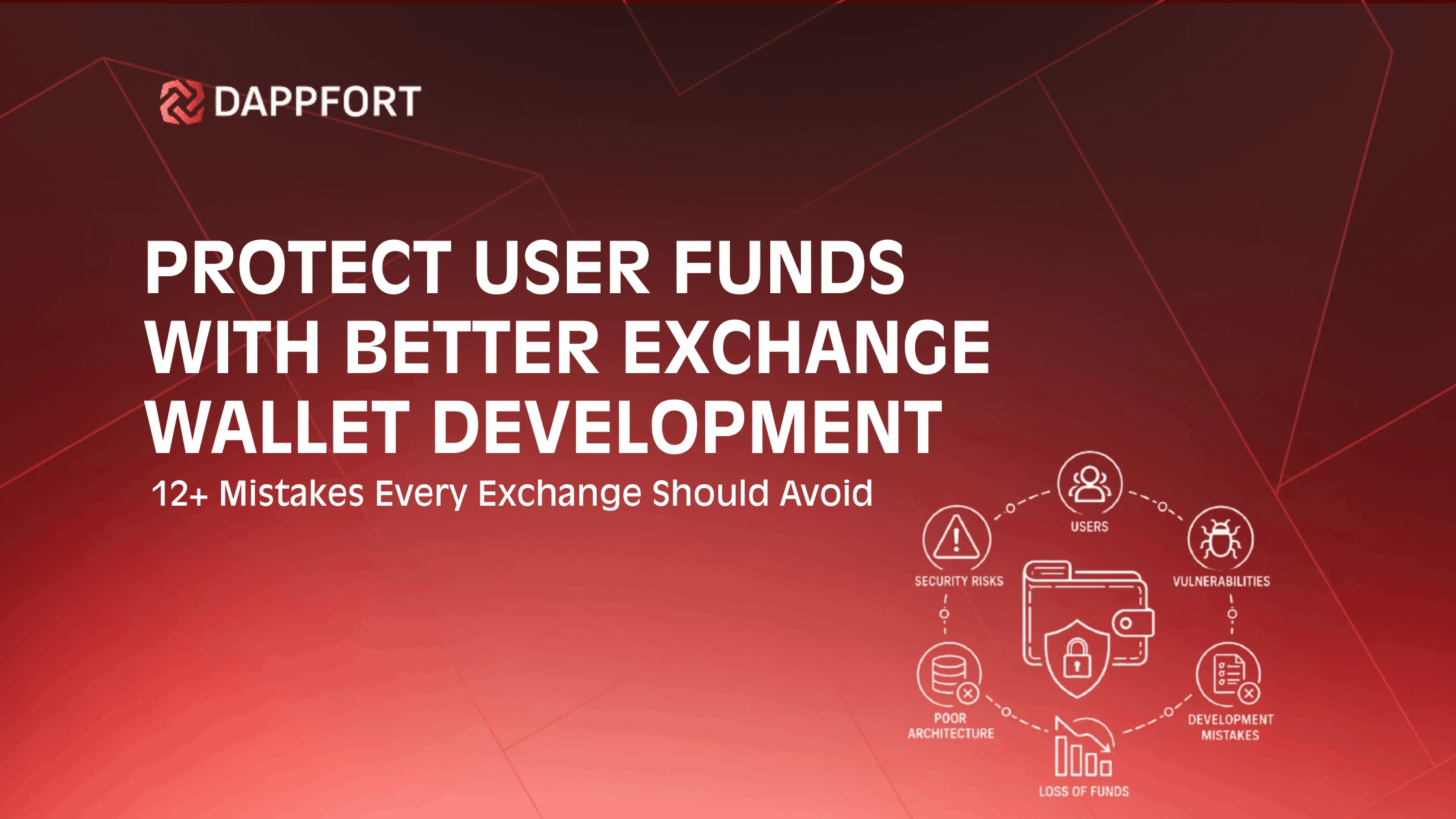
A lot of wallet projects end up in trouble because too much energy goes into piling on features while security architecture gets quietly pushed to the back.
Common mistakes include:
- Storing private keys insecurely
- Relying only on passwords
- Weak backup mechanisms
- No withdrawal protection
- Limited monitoring
- Poor access controls
- Lack of security testing
Going back to fix security problems after a product is already out in the world costs a whole lot more than simply getting it right during the planning stage.
How Dappfort Builds Security-First Wallet Architecture
At Dappfort, security is not something that gets bolted on at the tail end of development. It goes into the architecture right from day one.
Our cryptocurrency wallet development approach covers:
- Secure private key management
- Multi-chain security architecture
- Transaction signing protection
- Custody infrastructure
- Hot and cold wallet design
- Blockchain monitoring systems
- Enterprise-grade security controls
When architecture comes before implementation, businesses walk away with lower operational risk and a much stronger foundation to grow from.
Final Thoughts
Crypto wallet security does not come down to a single technology or feature. It is what happens when multiple security layers work together to protect digital assets.
The most trusted wallets put real investment into:
- Private key security
- Transaction authorization
- Encryption
- Monitoring
- Infrastructure protection
- Recovery systems
As the cryptocurrency space keeps expanding, people are choosing wallets based on trust and security above everything else.
Businesses that treat security architecture as a genuine priority from day one are in a far stronger position to build something people actually feel comfortable trusting with their assets.
Ready to Build a Wallet People Actually Trust?
Billions have been lost because wallet security was treated as a feature rather than a foundation. Dappfort helps businesses get the architecture right from the very beginning so your users never have to find out what happens when it goes wrong.
Related Reading:
- Modern Cryptocurrency Wallet Architecture: Enterprise Security Layers Protecting Billions
- Crypto Wallet Architecture Explained: The Blueprint Behind Secure Wallet Development
- Hot Wallet vs Cold Wallet for Crypto Exchanges: Security, Compliance and Best Practices
- Multi-Signature Wallet Infrastructure for Crypto Exchanges
- Web3 Wallet Security for Startups and Enterprises