Most Crypto Exchanges Do Not Fail Because of Technology — They Fail Because Compliance Was Ignored
Building a crypto exchange is no longer only about creating a fast trading engine or connecting blockchain networks. The biggest challenge for modern crypto businesses is building a platform that users, financial partners, and regulators can trust.
Many startups focus on:
- Trading features
- Liquidity solutions
- User interface design
- Blockchain integration
But overlook the foundation of every successful exchange: Compliance infrastructure. A crypto exchange is not simply a trading application.
It is a financial platform handling:
- User identities
- Digital assets
- Transactions
- Risk exposure
- Regulatory obligations
Before launching a crypto trading platform, founders need answers to critical questions:
- What KYC system should a crypto exchange use?
- How does AML monitoring work?
- What compliance framework is required?
- How Can a Crypto Exchange Reduce Regulatory Risks?
This guide covers what KYC and AML really mean for crypto exchanges the compliance setup behind them, the security work that goes into supporting them, and what’s needed to run a platform that stays compliant with regulators in 2026.
What Are KYC and AML Requirements for Cryptocurrency Exchanges?
KYC and AML are two essential compliance frameworks used by financial institutions and cryptocurrency businesses. They help exchanges verify customers, prevent illegal activities, and maintain secure financial operations.
Understanding the difference between them is the first step toward building a compliant exchange.
What Is KYC in Cryptocurrency Exchanges?
KYC, short for Know Your Customer, is the process an exchange uses to verify a user’s identity before granting them access to its services.
The purpose of KYC is to answer:
Who is using this platform?
A crypto exchange KYC process helps businesses confirm:
- Who the customer is
- Whether the user is legitimate
- Whether the user is allowed to access financial services
A typical KYC verification process includes:
Identity Verification
Users may submit:
- Passport
- Government-issued ID
- Driver’s license
Address Verification
Examples include:
- Utility bills
- Bank statements
- Official documents
Biometric Verification
Modern platforms often use:
- Facial recognition
- Selfie verification
- Liveness detection
A strong KYC system reduces fraud risks and improves trust.
Why Is KYC Important for Crypto Exchanges?
KYC (Know Your Customer) is one of the most important security and compliance measures for any crypto exchange. It helps verify that every user is a real person, reducing the risk of fraud, financial crimes, and platform abuse. Beyond regulatory compliance, a strong KYC process builds trust and creates a safer trading environment for both businesses and their users.
KYC helps exchanges:
- Prevent fake accounts
- Reduce identity fraud
- Improve user security
- Meet regulatory expectations
For example, if someone creates multiple accounts to perform suspicious trading activities, a strong KYC system helps identify and prevent that behavior.
Build Your Crypto Exchange on a Compliance-First Foundation
Launching a crypto exchange requires more than a trading engine. Dappfort helps businesses build secure, scalable, and compliance-ready exchange platforms with KYC, AML, wallet infrastructure, and security integrated from day one.
What Is AML Compliance for Crypto Exchanges?
AML (Anti-Money Laundering) refers to systems designed to detect and prevent illegal financial activity. While KYC identifies the customer, AML monitors customer behavior. The main question AML answers is:
“Is this user activity suspicious?”
AML compliance for crypto exchanges focuses on identifying suspicious behavior such as:
- Money laundering
- Fraudulent transactions
- Sanctioned wallet activity
- Abnormal transaction patterns
A complete AML framework includes:
- Transaction monitoring
- Risk scoring
- Wallet screening
- Suspicious activity reporting
How AML Monitoring Works in Crypto Exchanges?
AML (Anti-Money Laundering) monitoring continuously analyzes user activities and blockchain transactions to detect unusual or high-risk behavior. By combining automated monitoring with risk assessment, crypto exchanges can identify suspicious activity early, maintain regulatory compliance, and help protect their platform from financial crime.
AML systems analyze:
- Transaction patterns
- Wallet activity
- Trading behavior
- Fund movement
They help identify risks such as:
- Money laundering
- Fraud
- Sanction violations
- Suspicious transfers
A complete AML compliance system includes:
- Transaction monitoring
- Risk scoring
- Wallet screening
- Suspicious activity reporting
Why is Crypto Exchange Compliance Critical Before Launch?
The crypto industry has evolved from experimental technology into a global financial ecosystem.
Today, users expect exchanges to provide:
- Security
- Transparency
- Asset protection
- Regulatory confidence
Many founders treat compliance as something to add later. This approach creates unnecessary risks. Compliance should be included during the initial crypto exchange development process.
A compliant exchange architecture connects compliance with:
- User onboarding
- Trading systems
- Wallet infrastructure
- Payment processing
- Security controls
A weak compliance system can create serious problems:
- Banking limitations
- Loss of user trust
- Regulatory penalties
- Platform restrictions
For startups planning to build a compliant crypto exchange, compliance should be part of the architecture from day one.
Benefits of Building a Compliance-First Crypto Exchange
A compliance-first approach is no longer optional for modern crypto exchanges. As regulations continue to evolve across global markets, businesses that prioritize compliance from the beginning are better equipped to scale securely, earn user confidence, and build long-term credibility. Beyond meeting regulatory expectations, a strong compliance framework creates a safer ecosystem for customers, partners, and investors alike.
A strong compliance foundation helps businesses:
Build Customer Trust
Users prefer platforms that protect their identity and assets.
Reduce Regulatory Risk
Compliance systems help businesses prepare for evolving cryptocurrency regulations.
Improve Business Partnerships
Banks, payment providers, and financial partners often require strong compliance practices. Dappfort helps businesses design blockchain platforms with security-focused architecture, including crypto exchange KYC integration and compliance-ready development solutions.
KYC Requirements for Cryptocurrency Exchanges: Essential Components
A secure and compliant KYC process is built on multiple verification layers that work together to confirm user identity, reduce fraud, and meet regulatory requirements. While the exact process may vary between exchanges, the following components form the foundation of a professional cryptocurrency exchange KYC system.
1. Customer Identity Verification System
The first stage of KYC is confirming the user’s identity.
A crypto exchange may verify:
- Personal details
- Government documents
- Biometric information
2. Document Verification
Users may submit:
- Passport
- National ID
- Driving license
Verification systems check document authenticity before approving accounts.
3. Biometric Verification
Modern crypto exchanges use:
- Face recognition
- Selfie verification
- Liveness detection
This prevents identity theft and fake registrations.
4. Customer Risk Assessment
Every user does not have the same risk level.
Exchanges evaluate:
- Location
- Transaction volume
- User behavior
- Account activity
Based on risk, users may require additional verification.
5. Enhanced Due Diligence (EDD)
Higher-risk customers may require:
- Source of funds verification
- Additional documentation
- Manual review
This helps exchanges maintain stronger compliance controls.
AML Compliance Requirements for Cryptocurrency Exchanges
AML compliance requirements is an ongoing process rather than a one-time setup. Cryptocurrency exchanges need systems that continuously monitor transactions, identify suspicious behavior, and maintain accurate compliance records to reduce financial crime risks and satisfy regulatory expectations.
1. Transaction Monitoring
A compliant exchange tracks:
- Transaction frequency
- Transfer amounts
- Wallet behavior
- Trading patterns
Suspicious activities may include:
- Rapid movement of assets
- Unusual transaction volumes
- Multiple connected wallets
2. Blockchain Wallet Screening
Blockchain analytics tools help identify risky addresses.
Wallet screening can detect:
- Fraud-linked wallets
- Sanctioned addresses
- Suspicious blockchain activity
3. Suspicious Activity Monitoring
A crypto exchange should maintain systems for:
- Detecting suspicious transactions
- Reviewing alerts
- Maintaining compliance records
Crypto Exchange Compliance Architecture: What Needs To Be Built?
Compliance is not a single feature. It is an integrated layer across the entire exchange system. A compliant crypto exchange architecture includes:
User Authentication Layer
Includes:
- Account verification
- Multi-factor authentication
- Access controls
KYC Integration Layer
Supports:
- Identity verification providers
- Document verification
- Biometric authentication
AML Monitoring Layer
Includes:
- Transaction analysis
- Risk scoring
- Fraud detection
Security Infrastructure
Includes:
- Encryption
- Wallet protection
- Activity monitoring
- Data security
Building a Crypto Exchange? Start with the Right Architecture
From exchange architecture and trading engines to compliance systems and wallet security, Dappfort delivers end-to-end cryptocurrency exchange development tailored to your business goals.
Crypto Exchange KYC Integration: How Does It Work?
KYC integration follows a structured verification process that helps crypto exchanges confirm a user’s identity before granting access to trading services. By combining identity verification, document validation, biometric checks, and risk assessment, the process strengthens security, reduces fraud, and ensures compliance with global regulatory requirements. While the exact workflow may vary between platforms, most exchanges follow these core steps.
Step 1: User Registration
The customer creates an account.
Step 2: Identity Submission
The user uploads:
- Personal information
- Verification documents
Step 3: Automated Verification
The system checks:
- Identity validity
- Document authenticity
- Biometrics
Step 4: Risk Evaluation
The platform assigns a compliance risk score.
Step 5: Trading Approval
Verified users gain access to exchange services.
Build Compliant Crypto Exchange: Development Requirements
Creating a compliant exchange requires more than adding a KYC plugin. The entire platform architecture must support compliance. Important development requirements include:
Secure Trading Engine
A professional exchange requires:
- Fast order execution
- Market monitoring
- Trading activity tracking
Secure Wallet Architecture
Includes:
- Hot wallet management
- Cold storage integration
- Withdrawal controls
Compliance Dashboard
Admins need visibility into:
- User verification status
- Risk alerts
- Transaction monitoring
- Compliance reports
Audit-Ready Data Management
Exchanges should maintain:
- User records
- Transaction history
- Compliance logs
Crypto Exchange Security Checklist Before Launch
Before launching your platform, review:
✓ KYC verification system implemented
✓ AML monitoring enabled
✓ User authentication secured
✓ Wallet infrastructure tested
✓ Transaction monitoring active
✓ Data protection measures applied
✓ Compliance reporting available
✓ Smart contract audits completed (for DEX platforms)
A security-first approach helps reduce operational risks.
Cryptocurrency Exchange Regulations: What Startups Need To Consider
Building a cryptocurrency exchange is about more than technology. Every market has its own regulatory framework, and understanding these requirements before development begins can help startups avoid costly delays, legal risks, and compliance issues. Planning for regulations early creates a stronger foundation for long-term growth.
Crypto regulations differ across countries and regions.
Before launching, businesses should evaluate:
- Licensing requirements
- Customer verification rules
- Reporting obligations
- Data privacy requirements
A strong compliance strategy should influence:
- Exchange model selection
- Technology architecture
- Business operations
How KYC and AML Affect Crypto Exchange Development Cost
Compliance requirements impact development investment.
Major cost factors include:
- KYC provider integration
- AML monitoring systems
- Security infrastructure
- Regulatory reporting tools
Although compliance adds development complexity, it helps create a stronger platform for long-term growth.
Why Choose Dappfort for Building a Compliant Crypto Exchange?
Building a compliant crypto exchange is about much more than meeting regulatory requirements. It requires the right combination of technical expertise, security best practices, scalable architecture, and deep understanding of the evolving blockchain ecosystem.
Building a compliant crypto exchange requires expertise across:
- Blockchain development
- Exchange architecture
- Security engineering
- Smart contract technology
- Compliance integration
Dappfort helps businesses develop:
- Centralized crypto exchanges
- Decentralized exchanges
- Hybrid exchange platforms
- Secure Web3 applications
With a compliance-first approach, Dappfort focuses on helping businesses create scalable platforms designed for security, usability, and future expansion.
If you’re planning to build a crypto trading platform, explore Dappfort’s cryptocurrency exchange development services to create a secure, scalable, and compliance-ready exchange built for long-term growth.
How To Build a Crypto Exchange With Compliance From Day One?
Building a crypto exchange isn’t just about developing a trading platform. To create a secure, scalable, and regulation-ready business, compliance should be integrated into every stage of development—from planning your business model to launching and scaling your platform. Following a structured roadmap helps reduce legal risks, strengthen security, and build long-term trust with users.
A successful exchange development roadmap includes:
Step 1: Define Business Model
Choose:
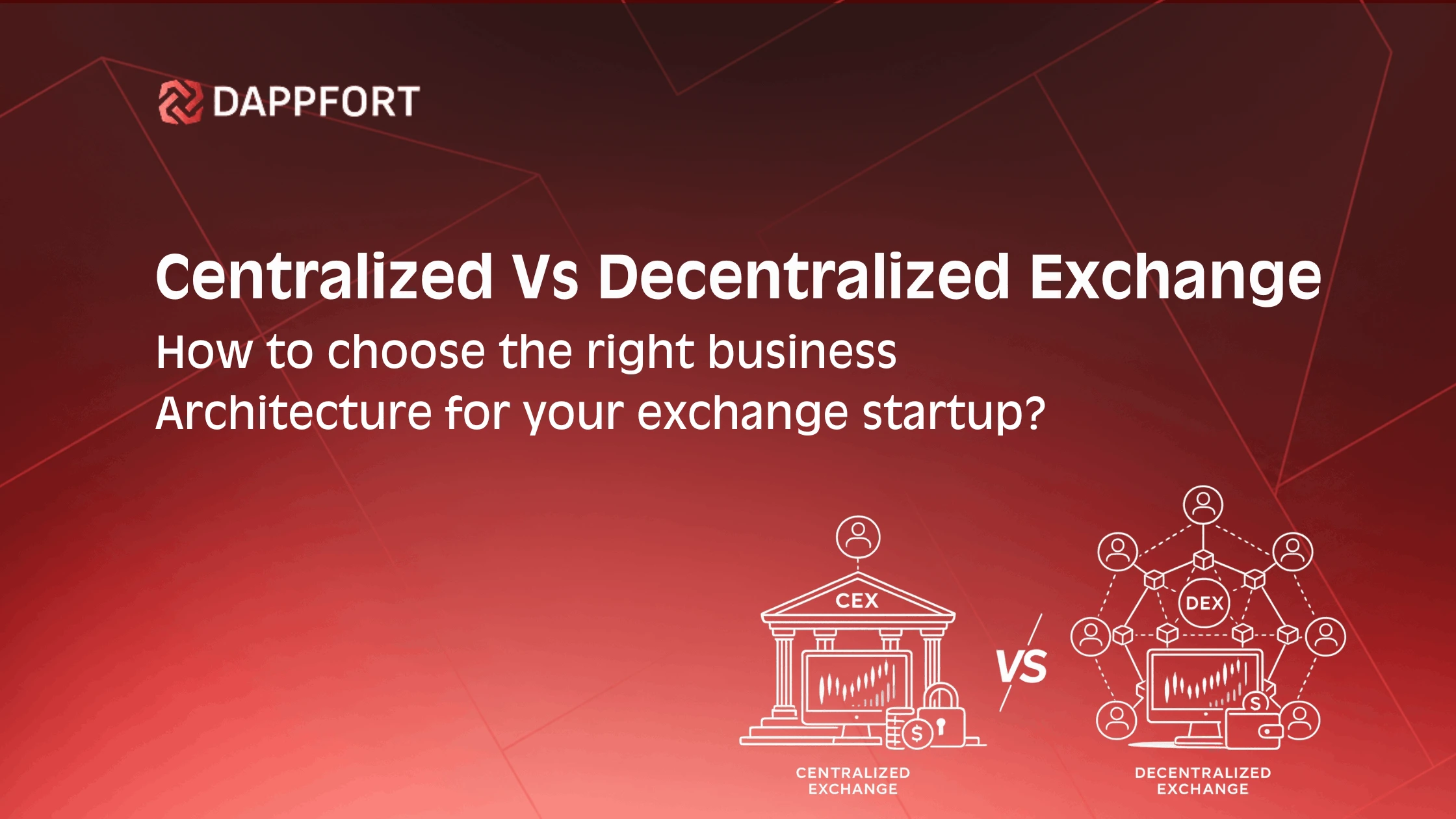
- CEX
- DEX
- Hybrid exchange
Step 2: Plan Compliance Framework
Identify:
- KYC requirements
- AML systems
- Regulatory needs
Step 3: Design Exchange Architecture
Build:
- Trading infrastructure
- Wallet systems
- Security layers
Step 4: Develop and Test
Perform:
- Security testing
- Compliance validation
- Performance testing
Step 5: Launch and Scale
Continue improving:
- Monitoring systems
- User protection
- Platform performance
Ready to Launch a Secure & Compliant Crypto Exchange?
Whether you’re building a centralized exchange, decentralized exchange, or hybrid platform, Dappfort helps you develop secure, scalable, and compliance-first crypto exchange solutions built for long-term success.
Frequently Asked Questions
What are the KYC and AML requirements for cryptocurrency exchanges?
Crypto exchanges are generally required to confirm who their users really are, keep monitoring transactions as they happen rather than just at the start, gauge how risky each user is, and have some system ready to catch and flag anything suspicious.
Is KYC mandatory for crypto exchanges?
It really depends — on the jurisdiction, the kind of license involved, and the specific rules that apply to that exchange. Still, most regulated exchanges don’t treat KYC as something optional; it’s usually just built into how they run.
What is AML compliance for crypto exchanges?
Put simply, AML compliance is about keeping an eye on transactions, catching suspicious behavior, screening wallets, and taking action to stop financial crime before it can happen.
How can startups build a compliant crypto exchange?
Startups should work KYC, AML monitoring, security controls, and regulatory planning into the exchange’s architecture right from the start, not add it in later.
What security features should a crypto exchange have?
Important security features include:
Multi-factor authentication
Wallet security
Encryption
Transaction monitoring
Risk management systems
Final Thoughts: Compliance Is the Foundation of a Successful Crypto Exchange
A crypto exchange can have advanced technology and excellent features, but without compliance, long-term growth becomes difficult. Technology creates the exchange. Compliance creates trust.
The future of crypto trading belongs to platforms that combine:
- Security
- Transparency
- Compliance
- User protection
If you are planning to build a crypto trading platform, creating a compliance-first foundation is essential. Dappfort helps businesses develop secure and scalable crypto exchange solutions designed for the evolving digital asset industry.
Related Readings:
- How to Start a Cryptocurrency Exchange Business in 90 Days (Step-by-Step Guide)
- How to Create a Decentralized Exchange in 2026?
- How Long Does It Take to Build a Crypto Exchange?
- Why Most Crypto Exchanges Lose User Funds: 12+ Exchange Wallet Development Mistakes to Avoid
- Crypto Exchange Security Checklist: Preventing Asset Custodial Risks and Strengthening Exchange Security