Introduction
Every day, millions of crypto transactions happen across different blockchain networks.
People send Bitcoin, transfer stablecoins, use decentralized apps, stake their assets, trade tokens, and move funds between wallets all in just a few clicks. For the average user, it all feels simple.
Enter a wallet address. Choose an amount. Click “Send.” Transaction completed. But behind that simple action sits one of the most important security mechanisms in the whole blockchain ecosystem: Transaction signing.
Without it, blockchain networks would have no real way to confirm ownership, approve asset transfers, or stop unauthorized transactions from going through. In a lot of ways, transaction signing is the invisible layer of security that makes crypto ownership actually work.
Yet despite how important it is, most founders, businesses, and even a lot of crypto users don’t fully understand how wallet signing actually works.
For companies building crypto wallets, exchanges, payment platforms, custody solutions, or any blockchain application, understanding transaction signing isn’t optional it’s essential. Every deposit, withdrawal, transfer, staking action, token swap, and blockchain interaction ultimately comes down to secure transaction authorization.
This guide breaks down how wallet signing works, why it matters, and how modern crypto platforms build secure transaction authorization systems at scale.
What Is Transaction Signing?
Transaction signing is the cryptographic process behind authorizing a blockchain transaction. When someone kicks off a transfer, the network has to make sure the person asking for it actually owns the assets involved. That check happens through digital signatures.
Instead of exposing a private key to the blockchain directly, the wallet uses that key behind the scenes to generate a one-of-a-kind cryptographic signature. This signature works as proof of ownership. The blockchain checks it if it holds up, the transaction goes through; if it doesn’t, the transaction gets rejected.
That’s the whole point: ownership gets verified without the private key ever being exposed. What you end up with is a system that’s secure and transparent at the same time.
Why Transaction Signing Matters?
The blockchain ecosystem doesn’t run on any central authority. There is no bank verifying ownership. There is no payment processor approving transfers. There is no intermediary reviewing every transaction. Instead, trust is created through cryptography. Transaction signing is the mechanism that enables this trust.
Without transaction signing:
- Ownership could not be verified.
- Assets could not be securely transferred.
- Blockchain networks could not function.
- Digital wallets would have no practical purpose.
This is why transaction signing sits at the heart of every blockchain network. It is not merely a technical process. It is the foundation of digital asset ownership.
Understanding the Relationship Between Private Keys and Transaction Signing
To understand transaction signing, it is important to understand the role of private keys. Every wallet contains a private key. This private key is what proves you own the blockchain assets in question.
But private keys were never meant to be shared with anyone, let alone made public — doing so would blow the whole security model wide open.
So instead of exposing the key itself, the wallet puts it to work quietly in the background to generate a digital signature. Think of the private key kind of like a highly secure stamp of authorization.
The stamp remains protected. Only the resulting authorization proof is shared. This allows ownership to be verified while keeping the private key confidential. This simple concept is what enables secure blockchain transactions at a global scale.
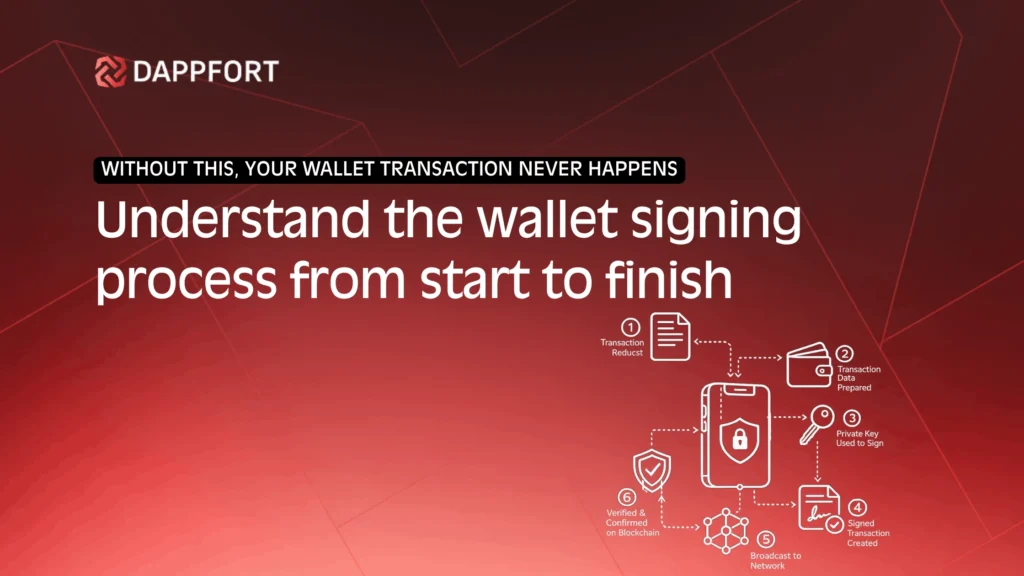
Step 1: Transaction Creation
The signing process begins when a user initiates a transaction.
For example:
A user wants to send USDT. The wallet creates a transaction request.
This request typically includes:
- Sender address
- Recipient address
- Asset type
- Transfer amount
- Network fee details
- Blockchain-specific metadata
At this stage, the transaction is only a request. It has not yet been authorized. The blockchain network will not process it. Authorization is still required. This is where transaction signing begins.
Step 2: Transaction Hash Generation
Before signing even happens, the wallet takes the transaction data and converts it into a structured cryptographic format. That data then gets run through a hashing algorithm, which spits out a unique digital fingerprint for the transaction. Change even one small detail, and you get a completely different hash that’s just how it works.
This matters a lot because it’s what protects the integrity of the transaction. If anything gets altered after signing, the signature stops being valid, and the blockchain picks up on that mismatch right away. Basically, hashing guarantees that the exact transaction a user approved is the exact same one that reaches the network nothing sneaks in and gets changed along the way.
Step 3: Digital Signature Creation
Once that transaction hash exists, the wallet takes the private key and uses it to create a digital signature. This signature is the cryptographic proof that whoever owns the assets actually authorized the transaction.
Here’s the important part: the private key never actually leaves the wallet. Only the signature gets generated and sent out. This distinction matters a lot if private keys were ever transmitted across networks, the whole security model would fall apart. Instead, the math behind cryptography lets ownership get verified without any sensitive credentials ever being exposed. Honestly, it’s one of the more elegant ideas in blockchain technology.
Step 4: Transaction Broadcasting
Once signing is done, the transaction is ready to go out to the blockchain network. The wallet broadcasts that signed transaction to the nodes on the network.
At this stage, the transaction enters the validation process. The network now evaluates whether the transaction meets all required rules. Only valid transactions proceed.
Step 5: Signature Verification
Blockchain validators or nodes verify the digital signature.
The network checks:
- Is the signature mathematically valid?
- Does the sender control the associated assets?
- Is the transaction properly formatted?
- Are sufficient funds available?
- Does the transaction actually follow the network’s rules?
If everything checks out, it goes through. If not, it gets bounced. And here’s the thing none of this requires the private key to ever be revealed. The blockchain is only ever looking at the signature, nothing else. That’s really the whole trick that makes decentralized ownership work at all.
Step 6: Transaction Confirmation
Once a transaction clears validation, it gets folded into a block, and that block gets tacked onto the blockchain.
- Bitcoin
- Ethereum
- Solana
- Polygon
- Avalanche
- TRON
However, the signing principle remains the same. Every blockchain transaction ultimately depends on cryptographic authorization.
Why Secure Signing Infrastructure Matters?
For individual users, signing often occurs automatically. For businesses, signing infrastructure becomes significantly more complex. Consider a cryptocurrency exchange. Thousands of withdrawals may occur every day. Millions of dollars in digital assets may be moving through the platform.
In this environment, transaction signing becomes a critical security function. A poorly designed signing system can introduce substantial risk. This is why enterprise platforms invest heavily in secure signing architecture.
The objective is not simply processing transactions. The objective is ensuring that transactions are authorized safely and consistently.
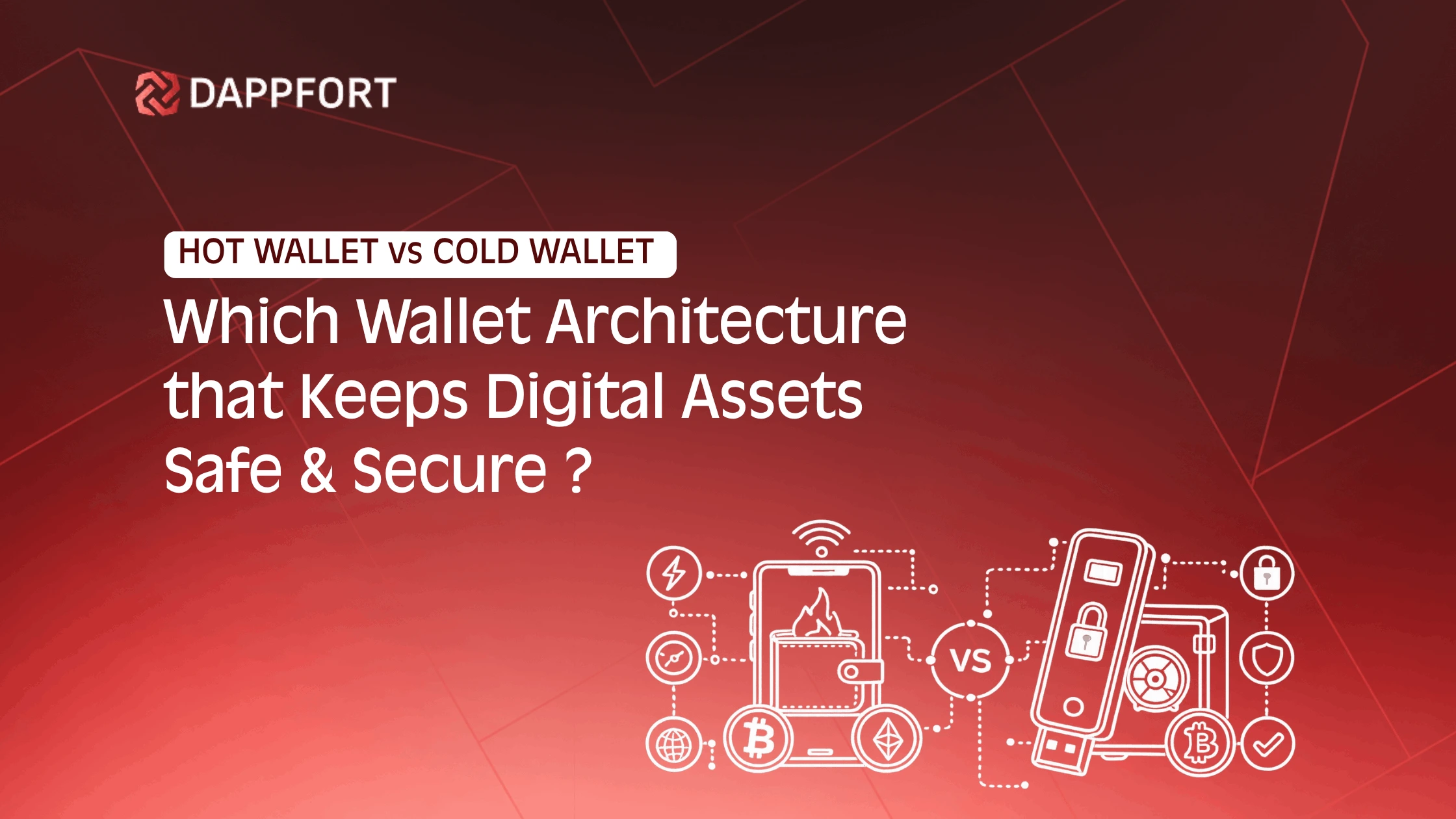
Hot Wallet Signing vs Cold Wallet Signing
Not all signing environments are identical. Different custody models use different signing approaches.
Hot Wallet Signing
Hot wallets remain connected to the internet. Transactions can be signed immediately. This enables fast withdrawals and operational efficiency. However, online connectivity introduces greater exposure.
Cold Wallet Signing
Cold wallets operate offline. Transactions are signed within isolated environments. This dramatically reduces attack surfaces. The tradeoff is reduced convenience. Most mature digital asset platforms combine both approaches.
Operational transactions use hot wallet signing. Strategic reserves rely on cold wallet signing. This creates a balance between security and accessibility.
Multi-Signature Signing Systems
As digital asset values increase, organizations often require additional authorization controls. This is where multi-signature architecture becomes important. Rather than relying on a single approval, multiple signatures are required.
For example:
- Three approvals out of five authorized signers
- Two approvals from security officers
- Treasury approval plus executive authorization
No individual can move funds independently. This reduces operational risk while strengthening governance.
For exchanges, institutional custody providers, and enterprise treasury platforms, multi-signature systems have become a widely adopted best practice.
Planning to Build a Cryptocurrency Wallet?
Build a secure wallet with enterprise-grade transaction signing, private key management, and scalable blockchain infrastructure.
Common Transaction Signing Security Risks
Many security incidents stem from weak signing infrastructure.
Common risks include:
Excessive Signing Permissions
Too many users with signing authority increase exposure.
Poor Key Management
Weak key protection undermines signing security.
Lack of Transaction Monitoring
Unauthorized transactions may go unnoticed.
Weak Governance Controls
Insufficient approval workflows create operational vulnerabilities.
Insecure Infrastructure Design
Poor architecture introduces unnecessary risks. Most signing-related security failures originate from infrastructure weaknesses rather than blockchain flaws.
Enterprise Transaction Signing Architecture
Leading digital asset platforms treat signing as a dedicated security layer.
Enterprise signing systems often include:
- Hardware Security Modules (HSMs)
- Multi-signature authorization
- Secure signing environments
- Risk-based approvals
- Withdrawal governance frameworks
- Audit logging
- Continuous monitoring
The goal is simple:
Protect assets while maintaining operational efficiency. This infrastructure-first mindset is what separates mature platforms from basic wallet implementations.
What Founders Should Understand About Wallet Signing?
Many founders focus on features during wallet development.
Businesses planning to launch secure digital asset platforms should also evaluate the underlying wallet architecture early in the development process. Working with an experienced cryptocurrency wallet development company helps ensure that transaction signing, private key protection, and security controls are designed into the platform from the beginning rather than added later.
They ask:
- Which assets should we support?
- Should we include staking?
- Should we add DeFi integrations?
These questions matter.
However, a more important question exists:
How will transactions be authorized securely?
Every blockchain interaction depends on transaction signing. If signing architecture is weak, every other feature becomes secondary. Strong signing systems create trust. Weak signing systems create risk. The businesses that understand this early build stronger infrastructure from day one.
How Dappfort Designs Secure Transaction Signing Systems?
At Dappfort, we view transaction signing as one of the most critical layers of digital asset infrastructure. Our architecture-first approach focuses on building secure authorization systems capable of supporting long-term growth.
We help businesses design:
- Wallet signing frameworks
- Multi-signature authorization systems
- Secure custody environments
- Hot and cold wallet signing workflows
- HSM-integrated infrastructure
- Governance controls
- Transaction monitoring systems
By combining security, scalability, and operational efficiency, businesses can build wallet ecosystems capable of supporting real-world digital asset operations.
Final Thoughts
The wallet signing process is often invisible to users. Yet it is one of the most important mechanisms in blockchain technology.
Every transaction, transfer, withdrawal, and blockchain interaction depends on secure cryptographic authorization.
Transaction signing enables ownership verification without exposing private keys. It allows decentralized networks to operate without intermediaries. It creates trust through mathematics rather than institutions.
For businesses building cryptocurrency platforms, understanding transaction signing is not optional. It is foundational.
Because while users may see balances and transactions, the true security of a digital asset platform begins with how those transactions are authorized. And that authorization begins with transaction signing.
Ready to Launch a Secure Cryptocurrency Wallet?
Partner with our experts to build a secure, scalable wallet platform with advanced signing architecture and enterprise-grade security.
Frequently Asked Questions
What is transaction signing in crypto?
Transaction signing is the cryptographic process used to authorize blockchain transactions and prove ownership of digital assets.
Why is transaction signing important?
It lets blockchain networks verify ownership and process transactions securely, all without ever exposing private keys.
Does transaction signing expose private keys?
No. The private key stays protected the whole time only the digital signature ever gets shared.
What happens if a transaction signature is invalid?
The network simply rejects it and stops it from being processed any further.
What’s the difference between hot wallet signing and cold wallet signing?
Hot wallet signing happens online, so it’s built for speed. Cold wallet signing happens offline, which trades a bit of speed for much stronger security.
What is multi-signature authorization?
It’s a setup where a transaction needs approval from more than one party before it can actually go through.
How do exchanges secure transaction signing?
Most rely on a mix of things HSMs, multi-signature workflows, transaction monitoring, governance controls, and dedicated secure signing environments.
Why should businesses care about signing architecture?
Because every asset transfer depends on transaction authorization, making signing infrastructure a core component of platform security and trust.
Related Reading
- Crypto Wallet Architecture Explained: The Blueprint Behind Secure Wallet Development
- Modern Cryptocurrency Wallet Architecture: Enterprise Security Layers Protecting Billions
- Cryptocurrency Wallet Development – A Blueprint for Building Secure Crypto Wallet in 2026
- How to Choose a Cryptocurrency Wallet Development Company Before Investing Thousands of Dollars