First, Let’s Clear Up What a Crypto Wallet Actually Does
Your crypto isn’t actually stored inside the wallet. It lives on the blockchain — a public, permanent ledger that records every transaction ever made. What your wallet holds is the private key: a unique string of characters that proves the funds on the blockchain belong to you and lets you move them.
Lose your private key with no backup? Your crypto is gone. Forever. No customer service line, no “forgot my password” button. This is why wallet design — especially how wallets handle key security and recovery — is so critical, and why bad wallet products can cause real, irreversible harm to users.
There are 2 broad categories worth knowing:
- Custodial wallets — A company holds your keys for you. Easy to use, but you’re trusting them completely. If they get hacked or go under (remember FTX?), you could lose everything.
- Non-custodial wallets — You hold your own keys. Full control, full responsibility. The crypto community loves these for a reason.
The Numbers Behind the Growth
Here’s a quick snapshot of where things stand:
- More than 55 million Americans now own some form of cryptocurrency
- The global crypto wallet market is on track to hit $48 billion by 2030
- Wallet app downloads jumped 72% year-over-year in 2024
- DeFi protocols collectively hold over $200 billion in assets — all accessed through wallets
- NFT transactions in the US crossed $10 billion, every single one requiring a wallet to complete
None of these numbers come from wishful thinking. They’re the result of millions of real people making real financial decisions — and they all need somewhere to store and manage their assets.
🚀Why is the Wallet Development Scene in the US Exploding in 2026?
Crypto has been around since 2009. Why is the wallet development scene in the US exploding now, in 2026, rather than five years ago?
A few things collided at the right moment.
The FTX Collapse Changed Everything
In 2022, FTX — one of the world’s largest crypto exchanges — collapsed almost overnight. Billions in user funds vanished. People who thought their crypto was safe in an exchange account suddenly had nothing.
It was a brutal lesson. But it did something that years of education campaigns couldn’t: it convinced millions of people to take self-custody seriously. Downloads of non-custodial wallets spiked sharply in the months following the collapse. That shift in user behavior created an immediate, sustained demand for better self-custody wallet products — and development companies responded.
Washington Is Finally Paying Attention
For a long time, the regulatory environment in the US was a mess. Agencies disagreed with each other, enforcement was inconsistent, and businesses couldn’t get straight answers about whether what they were building was legal. A lot of serious companies held off on major investments because of this uncertainty.
That’s changing. There’s been meaningful movement in Congress toward clearer crypto legislation. The SEC and CFTC have both signaled more defined positions. It’s still not perfect — regulation never is — but there’s enough clarity now that businesses feel comfortable making long-term bets on crypto products, including wallets.
This matters enormously. Institutional money follows regulatory clarity. Banks and large financial firms that were sitting on the sidelines are now actively exploring wallet development as part of their digital asset strategy.
DeFi Went From Experiment to Infrastructure
Decentralized finance — lending, borrowing, earning yield, trading — without any bank in the middle — sounded like science fiction five years ago. Today it’s a functioning financial system holding hundreds of billions of dollars.
But here’s the thing: you cannot touch DeFi without a wallet. Every interaction with every DeFi protocol requires one. As DeFi has matured and attracted more mainstream users, the wallets that support it have had to mature too. That’s driving serious investment in wallet development — particularly around Web3 wallets that can handle complex on-chain interactions while still being usable by someone who’s never written a line of code.
Gaming Pulled in a Completely New Crowd
Nobody expected gaming to become one of the biggest drivers of crypto wallet adoption. But here we are.
Web3 games let players truly own in-game items — weapons, skins, characters — as NFTs on the blockchain. You can sell them, trade them, or take them with you when you move to another game. This resonated deeply with gamers who’d spent years buying digital items they technically never owned and could lose the moment a game server shut down.
The result? Millions of younger users are entering the crypto space through gaming, all of them needing wallets. And these users have different expectations — they want wallets that feel like game interfaces, not finance dashboards. That demand is pushing developers into territory they’ve never explored before.
Stablecoins Made Crypto Practical for Payments
One of the longstanding criticisms of crypto as a payment method was volatility. Nobody wants to pay for their lunch in Bitcoin if it might be worth 20% less by dinner.
Stablecoins solved this. USDC, USDT, and others are pegged to the dollar, meaning their value doesn’t fluctuate. And they can be sent anywhere in the world, settled in seconds, for a fraction of what a traditional bank wire costs.
This has made stablecoins genuinely useful for real transactions — paying freelancers, settling invoices, sending money to family overseas. And every stablecoin transaction goes through a wallet. As stablecoin adoption grows, it’s quietly becoming one of the steadiest drivers of wallet usage in the country.
🔐The Different Kinds of Wallets Being Built
Not every wallet solves the same problem.
Here’s what’s actually being developed out there 👇
📱Hot Wallets
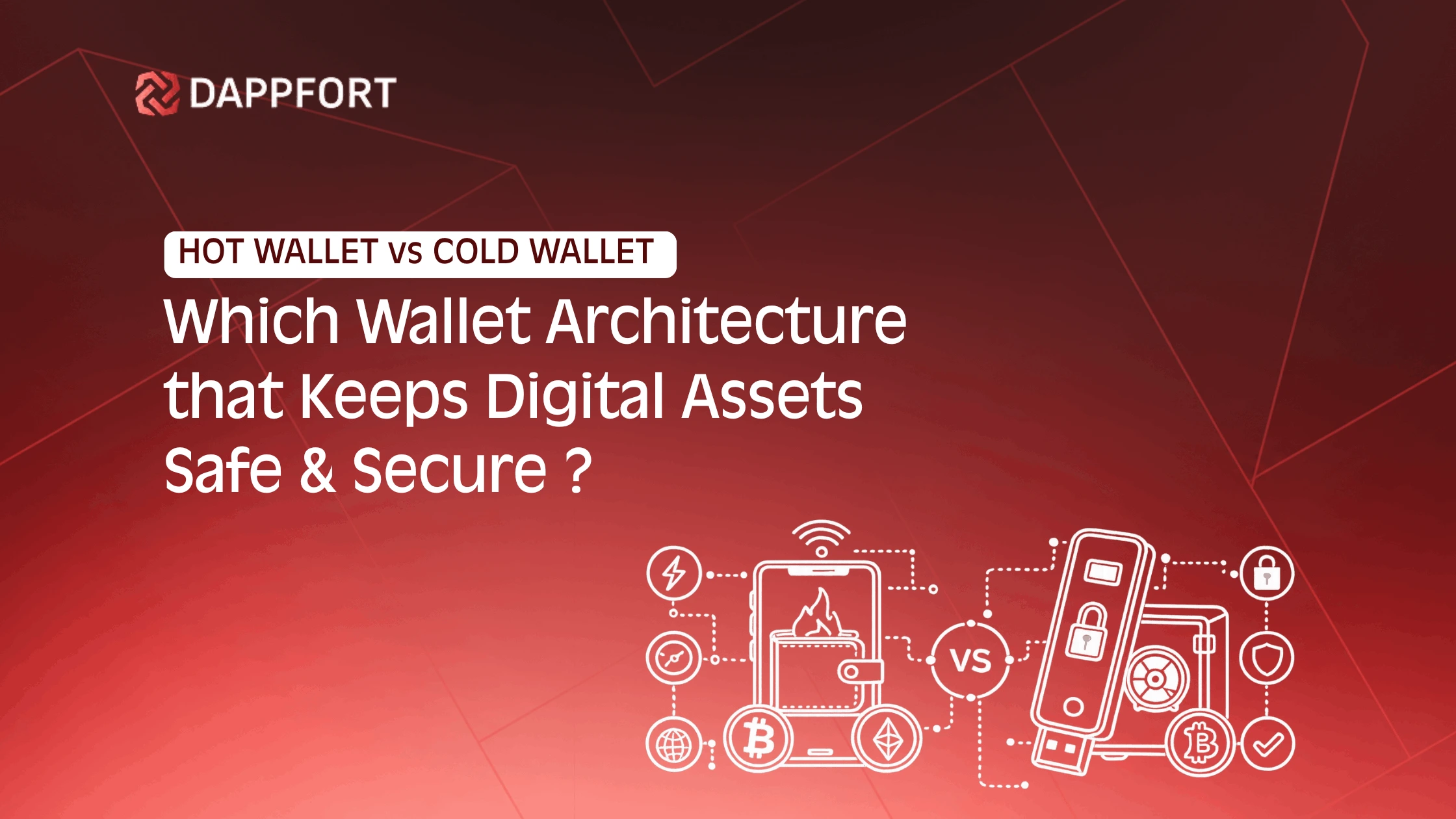
Hot wallets are the everyday-use option. They’re connected to the internet and built for speed and convenience. Most people’s first crypto wallet is a hot wallet on their phone. The development challenge here is making them as secure as possible while keeping them genuinely easy to use.
🧊 Cold Wallets
Cold wallets are hardware devices — physical things you plug into your computer. They store your keys completely offline, which means they’re essentially immune to online attacks. Ledger and Trezor are the big names. Development here focuses on firmware security and making the interface less intimidating.
🌐 Web3 Wallets
Businesses often partner with a Web3 wallet development company to build secure wallets that support smart contract interactions, DeFi access, and multi-chain functionality. MetaMask is the most well-known. These need to handle smart contract interactions and support multiple blockchains at once — technically demanding work.
✍️Multi-Signature Wallets
Multi-signature wallets require more than one private key to approve a transaction. Think of it as requiring two signatures on a check. These are used heavily by businesses, DAOs, and anyone managing funds on behalf of a group.
⚡ Smart Contract Wallets
Smart contract wallets are the newest and most interesting category. Instead of being controlled by a single private key, they’re powered by smart contracts, which allows for features like account recovery through trusted contacts, automated transaction rules, and removing the need for gas fees in certain situations. This is where a lot of the most exciting development is happening right now.
🎮 Embedded Wallets
Embedded wallets are built directly into apps. You sign up for a game or platform, and a wallet is quietly created for you without you having to think about seed phrases or private keys. They’re dramatically lowering the barrier for new users and are becoming increasingly common in gaming and consumer apps.
🔐What Separates Good Wallets from Ones People Actually Trust
Building a wallet that technically works isn’t the hard part. Building one that people trust with their life savings is a completely different challenge.
Security Is Just the Starting Point
Security is the obvious starting point — and it goes much deeper than just having a password. The best wallets store private keys using hardware-level security chips, undergo regular third-party security audits, run bug bounty programs to find vulnerabilities before attackers do, and have clear, tested processes for what happens when something goes wrong.
User Experience Matters More Than Most People Realize
But beyond security, the wallets that win users are the ones that don’t make people feel stupid. The honest truth is that most crypto wallets today are still confusing for normal people. Seed phrases, gas fees, contract addresses — these are all concepts that require explanation, and most wallets do a terrible job of explaining them. The developers and companies that crack genuinely beginner-friendly UX without sacrificing security are going to capture a massive market.
Multi-Chain Support Is No Longer Optional
Multi-chain support has also gone from a nice-to-have to a baseline expectation. Users hold assets on Ethereum, Solana, Base, Polygon, and others. They don’t want five different wallets for five different chains. The market is clearly moving toward all-in-one solutions, and wallets that can’t keep up are losing users to ones that can.
💡The Business Opportunity That Most Companies Are Still Missing
Here’s something that doesn’t get talked about enough in the context of crypto wallet business opportunities:
👉 A crypto wallet is one of the highest-retention software products you can build. When someone uses your wallet to manage their financial assets every single day, your product becomes a habit. Your brand becomes associated with their money. That’s an incredibly valuable relationship — and it’s one that opens doors to a whole range of adjacent products and services.
The Real Opportunity Goes Beyond Transaction Fees
Transaction fees are the obvious revenue model. But the real opportunity for businesses is what comes after the wallet. A user who trusts you with their crypto is far more likely to try your DeFi products, use your crypto debit card, take out a loan against their holdings, or subscribe to a premium tier with advanced features.
Crypto Wallets Becoming the Foundation
Think about how banks operate. The checking account is almost a loss leader — the real money comes from mortgages, investments, and loans. Crypto wallets are shaping up to be the same kind of foundational relationship in the digital asset economy.
Why Smart Companies Are Investing Early
Companies that recognize this and invest in building a trusted wallet product now — rather than waiting until the market is more crowded are making a smart long-term strategic move.
⚠️The Real Challenges (That Nobody Likes to Talk About)
It would be dishonest to pitch wallet development as easy. It’s not.
Security Is the Biggest Challenge
Security is the biggest one. Wallets are extraordinarily attractive targets for hackers because a successful exploit can mean millions in stolen funds. The history of crypto is littered with cautionary tales of wallets and exchanges that got it wrong. Building something truly secure requires specialized expertise, constant vigilance, and a culture that treats security as a first principle rather than an afterthought.
Regulatory Compliance Is Becoming More Complex
Regulatory compliance is increasingly complex, especially for custodial wallets that touch user funds. KYC and AML requirements are real. They’re getting stricter. And building them into a product from day one is much easier than bolting them on later. The companies planning for compliance early are putting themselves in a much stronger position long-term.
The UX Problem Is Harder Than Most Founders Expect
The UX problem is harder than most people expect. Technical founders often underestimate how confusing crypto is for normal users. Getting this right requires user research, extensive testing, and a genuine commitment to empathy-driven design — not just building something that works for people who already understand blockchain.
The Technology Landscape Moves Extremely Fast
And then there’s the ongoing challenge of keeping up with a technology landscape that moves extraordinarily fast. New chains launch. New standards emerge. User expectations evolve. Wallet development isn’t a one-time project — it’s an ongoing commitment.
Where This Is All Heading?
The most interesting developments in wallet technology over the next few years aren’t going to come from making wallets more powerful for existing crypto users. They’re going to come from making wallets accessible to people who’ve never thought about crypto at all.
Account Abstraction Will Change the User Experience
Account abstraction — a technical upgrade to how wallets work at the protocol level — is going to remove most of the friction that currently exists. No more seed phrases. No more worrying about having enough ETH to cover gas. Wallets will just work, the way apps just work today.
AI Integration Is Also Coming
AI integration is coming too, though hopefully in ways that are actually useful rather than gimmicky. Flagging suspicious transactions before you approve them, helping you understand what a smart contract is actually asking you to do, optimizing DeFi positions — these are genuinely valuable applications.
Traditional Finance and Crypto Are Starting to Merge
The integration with traditional finance is perhaps the biggest shift on the horizon. Wallets that can connect directly to your bank account, let you hold both dollars and crypto in the same interface, and make it seamless to move between them — that’s the product that takes crypto from a parallel financial system to a genuine part of everyday American life.
What Dappfort Brings to the Table ?🛡️
Building a crypto wallet is not just about adding features and launching an app. It is about creating a product people can trust with their digital assets. Over the years, we have seen how small security mistakes can lead to major losses, and how wallets fail when speed is prioritized over stability and protection.
That is why, for every wallet project, we focus on security, compliance, and user experience from the very beginning. Before development starts, we carefully plan the architecture to make sure the wallet is secure, scalable, and reliable under real-world usage.
We also design wallets for everyday users, not only for experienced crypto traders. A good wallet should feel simple and easy to use, even for someone using cryptocurrency for the first time. Because at the end of the day, a wallet is more than just a product — it is a relationship built on trust.
Dappfort cryptocurrency wallet development services are designed to help businesses build secure, scalable, and user-friendly wallet solutions that align with long-term growth objectives.An experienced crypto wallet development company in USA will always focus on long-term reliability instead of unrealistic promises and rushed delivery timelines.
Planning to build a secure and scalable crypto wallet platform?
Whether you need a Web3 wallet, multi-chain wallet, embedded wallet, or enterprise-grade solution, Dappfort helps businesses build reliable wallet infrastructure focused on security, compliance, and user experience.
Related Readings:
- Account Abstraction in AI Crypto Wallet Development
- Crypto Exchange Custody Architecture: Hot Wallets, Cold Storage & MPC
- Multichain Wallet Development Cost: Full Breakdown
- Cryptocurrency Wallet Development Blueprint for 2026
- 15 Technical Questions to Ask Before Hiring a Wallet Development Company