The right cryptocurrency exchange tech stack is the difference between a successful crypto trading business and a failure.
The digital asset space moves fast, and traders expect nothing less than speed, reliability, airtight security, and a seamless experience from the exchanges they trust. That puts enormous pressure on businesses to build their platforms on technology that can handle today’s demands while still being flexible enough to grow tomorrow.
But here’s the challenge:
With so many tools, frameworks, and backend systems available, how do you know which combination truly supports your long-term vision? Many businesses work with Dappfort exchange development experts to evaluate architecture decisions early and avoid costly infrastructure changes later. How do you pick a tech stack that not only works, but actually helps your exchange scale, protect users, and stay competitive?
In this guide, we’ll break down the essential pieces of a modern crypto exchange tech stack, offer practical advice on how to choose the right technologies for your business model, and look at real-world considerations that separate successful platforms from those that never gain traction.
What is a Crypto Exchange Tech Stack?
A crypto exchange tech stack is the complete set of technologies and tools used to build and run a crypto trading platform. It covers every system that keeps an exchange functional, secure, and scalable — from the visual interface users see to the backend engine that processes trades.
A typical cryptocurrency exchange tech stack includes several essential layers:
- Frontend interface: The user-facing part of your exchange — trading screens, dashboards, charts, and all interactive elements. This determines how smooth and intuitive the platform feels to traders.
- Backend systems: The engine room of your exchange. It handles trade execution, order matching, authentication, API requests, and overall platform logic.
- Databases: Where all key information is stored securely, including user profiles, balances, transaction records, and audit logs.
- Infrastructure: Your cloud hosting, servers, load balancers, and DevOps tools. This layer ensures the exchange stays online, scales smoothly, and manages high trading volumes.
- Security framework: The protection system that keeps your platform safe from attacks. This includes encryption, firewalls, DDoS protection, authentication systems, and compliance checks.
Why Tech Stacks Matter for Crypto Exchanges?
A cryptoexchange tech stack is the foundation of the platform. It determines:
- Performance & Scalability: How well the platform handles millions of trades per second.
- Security & Compliance: Ensuring funds and data remain safe from hacks.
- User Experience: Smooth, fast, and intuitive trading interfaces.
A modern AI trading infrastructure can support advanced analytics, automated monitoring, and personalized trading experiences across the platform.
Core Components That Power an Effective Crypto Exchange Tech Stack
A successful cryptocurrency exchange isn’t powered by a single piece of software — it’s built on a combination of technologies that work together to deliver speed, security, and a seamless trading experience. These core components form the backbone of your platform and determine how well it performs under real-world conditions.
Below are the essential building blocks every crypto exchange needs:
1. User Interface (UI/UX)
Your crypto exchange’s user interface is the first thing traders see — and often the deciding factor in whether they trust your platform. A polished, responsive, and intuitive UI not only improves usability but also boosts trading activity, reduces drop-offs, and enhances overall customer satisfaction.
Below are the core tools and technologies used to build a modern, professional, and high-performing crypto exchange interface.
Recommended UI/UX technology for crypto exchanges:
- React.js – Fast, flexible, ideal for real-time trading dashboards
- Next.js – SEO-friendly, SSR support, great for reducing load time
- Vue.js – Lightweight, easy to manage, excellent for modular components
- Angular – Enterprise-level structure, strong for complex platforms
Most crypto users trade on mobile. These tools ensure your UI works perfectly across devices.
- React Native – Build mobile apps using React
- Flutter – Extremely fast performance, native-like feel
- Ionic – Hybrid mobile development
In a market where traders make split-second decisions, your UI must be fast, clear, and intuitive — every millisecond counts.
2. Trading Engine
Your trading engine is the heartbeat of your cryptocurrency exchange. The efficiency of the matching engine architecture directly impacts order execution speed, latency, and trading performance during periods of high market activity.
It determines how fast orders are processed, how accurately trades are matched, and how reliable your platform feels under heavy market activity. A powerful trading engine improves trader confidence, reduces slippage, and keeps your platform competitive in fast-moving markets.
Below are the top technologies and tools used to build a high-performance crypto trading engine.
Recommended Trading Engine Technologies for Crypto Exchanges:
- Golang – Known for low-latency performance and concurrency
- C++ – Extremely fast, ideal for high-frequency trading
- Rust – Secure, memory-safe, and built for performance
- Java – Reliable for enterprise-grade transaction systems
- Node.js – Good for scalable, event-driven systems (not HFT)
In crypto, milliseconds can cost traders money — a fast, stable engine is the core of your platform’s success.
3. Wallet Infrastructure
Wallet infrastructure is the backbone of user asset security. It handles everything from deposits and withdrawals to private key protection. A strong wallet system protects users from hacks, ensures smooth transactions, and builds trust — especially in a market where security breaches can be devastating.
Below are the essential tools and technologies used to build secure blockchain wallet architecture.
Recommended Wallet Infrastructure Technologies for Crypto Exchanges:
- Hot Wallet Systems – For instant transactions (Node.js, Go, Python)
- Cold Wallet Storage – Offline storage using HSM devices
- Fireblocks / BitGo / Ledger Vault – Institutional custody solutions
- Multi-signature Wallets – Enhanced security for asset movements
- HSM (Hardware Security Modules) – Secure key storage and signing
- Custodial vs Non-custodial architecture
A secure wallet system is the #1 factor users look for before trusting a new exchange.
4. KYC & AML Compliance
KYC/AML systems help your exchange prevent fraud, verify user identities, and stay compliant with global regulations. Without strong compliance tools, your platform risks legal penalties and loss of credibility.
Below are the best tools for automated KYC, AML, and fraud monitoring.
Best KYC/AML Technologies for Crypto Exchanges:
- Jumio – ID verification using AI
- Sumsub – KYC, AML, and KYB automation
- Onfido – Document + biometric verification
- Chainalysis – Blockchain AML monitoring
- Elliptic – Wallet risk scoring and compliance
A compliant crypto exchange is a trustworthy crypto exchange — and trust drives long-term success.
5. Liquidity Management
Liquidity determines how easily users can buy or sell crypto without price slippage. A strong liquidity layer makes your exchange feel smooth, responsive, and professional — even with low initial traffic.
Below are the best tools and technologies used for liquidity aggregation.
Recommended Liquidity Technologies for Crypto Exchanges:
- Market Maker APIs – Connect with professional liquidity providers
- AMM (Automated Market Makers) – For decentralized-style liquidity
- Order Book Aggregation Tools – Combine books from multiple exchanges
- Liquidity Providers (LPs) – Binance, Kraken, Huobi, OKX liquidity access
- FIX Protocol – High-speed institutional liquidity integration
6. APIs
APIs act as the connective tissue of your crypto exchange. They power mobile apps, trading bots, analytics tools, and third-party integrations. Strong APIs make your platform scalable and developer-friendly.
Below are the best technologies for building robust API systems.
Recommended API Technologies for Crypto Exchanges:
- REST APIs – Standard for user account actions
- WebSocket APIs – Real-time order book & price updates
- GraphQL APIs – Efficient data-fetching
- gRPC – Ultra-fast communication between microservices
- Postman / Swagger – For API testing & documentation
A crypto exchange built with the best crypto exchange APIs grows faster and plugs into the global trading ecosystem with far less friction.
7. Blockchain Node Integration
Blockchain node integration allows your exchange to interact directly with multiple blockchains — enabling deposits, withdrawals, confirmations, and real-time balance updates. Without reliable node connectivity, your exchange becomes slow, inaccurate, or even unsafe.
Below are the strongest tools and technologies used to enable multi-chain blockchain communication.
Recommended Blockchain Node Technologies for Crypto Exchanges:
- Full Nodes (Bitcoin, Ethereum, Solana, etc.) – Direct blockchain access
- Infura / Alchemy / QuickNode – Scalable node hosting services
- Blockdaemon – Multi-chain node and staking services
- Chainstack – Enterprise-grade blockchain infrastructure
- Geth / OpenEthereum – Ethereum execution clients
A crypto exchange must connect to blockchains in real time — even a slight delay can affect user trust and trading flow.
8. Order Matching Algorithms
Order matching algorithms decide how buy and sell orders are paired. A fast and fair algorithm ensures that traders get the best prices, with minimal slippage and zero manipulation concerns. It is one of the most critical components of exchange performance.
Below are the best frameworks and technologies used to implement efficient matching logic.
Recommended Technologies for Order Matching:
- C++ Matching Engines – Used by top-tier exchanges for ultra-low latency
- Rust-based Algorithms – Fast, safe, and concurrency-friendly
- Golang Matching Systems – Efficient for scalable order handling
- Custom FIFO / Pro-Rata Algorithms – For different market types
- Event-driven Matching Architecture – Ensures microsecond processing
Your exchange’s reputation depends on how fair and fast your order-matching engine performs.
9. Payment Gateway Integration
If your exchange supports fiat deposits, payment gateways become essential. They allow users to buy crypto using credit cards, bank transfers, and instant payment rails. A smooth fiat on-ramp dramatically increases user adoption and trading volume.
Below are the top payment systems used in crypto platforms.
Recommended Payment Gateway Technologies for Crypto Exchanges:
- MoonPay – Global fiat-to-crypto on-ramp
- Ramp Network – Fast bank transfers & card payments
- Transak – Supports 100+ crypto assets
- Stripe / PayPal APIs – For KYC-based fiat processing
- Plaid – Secure bank account linking
A simple payment experience can double your platform’s sign-ups.
10. Admin & Compliance Dashboard
Your internal dashboard helps your team monitor operations, detect fraud, and manage platform health. Without a centralized admin panel, managing users, transactions, and compliance becomes difficult and error-prone.
Below are tools used to build powerful admin dashboards.
Recommended Technologies for Admin & Compliance Dashboards:
- React.js / Vue.js Dashboards – Custom admin UI
- Metabase / Grafana – Real-time analytics visualization
- Elastic Stack (ELK) – Logging & compliance tracking
- Kibana – Transaction monitoring & risk alerts
- AWS CloudWatch – Infrastructure-level monitoring
Your internal team needs clear visibility to keep your exchange secure and compliant.
11. Notifications & Communication System
A notification system keeps users updated about deposits, withdrawals, order executions, login attempts, and system alerts. Fast communication builds trust and reduces support requests.
Below are the technologies used for reliable user notifications.
Recommended Notification Technologies for Crypto Exchanges:
- Firebase Cloud Messaging (FCM) – Push notifications
- Twilio – SMS, OTP, 2FA codes
- SendGrid – Email alerts
- WebSockets – Instant in-app notifications
- Amazon SNS – Scalable event-based notifications
Users feel safer when they receive instant updates for every account action.
12. DevOps & Infrastructure
DevOps ensures your crypto exchange runs smoothly, scales effortlessly, and stays online during high traffic. Strong infrastructure prevents downtime, improves performance, and makes your exchange reliable worldwide.
Below are the core tools that power scalable crypto exchanges.
Recommended DevOps Tools for Crypto Exchanges:
- AWS / Google Cloud / Azure – Global cloud hosting
- Docker – Application containerization
- Kubernetes – Automated scaling & orchestration
- Nginx / HAProxy – Load balancing
- Cloudflare CDN – Speed & DDoS protection
- CI/CD Pipelines (GitHub Actions, GitLab CI) – Automated deployments
A crypto exchange must run 24/7 — DevOps makes that possible.
13. Security Framework
Security is the foundation of a trustworthy exchange. This layer protects the platform from hacks, DDoS attacks, fraud, phishing, and unauthorized access. A strong security stack prevents both technical and financial risks.
Below are the best security tools used in crypto exchanges.
Recommended Security Technologies for Crypto Exchanges:
- WAF (Web Application Firewall) – Cloudflare, AWS WAF
- DDoS Protection – Cloudflare, Akamai
- MFA / 2FA – Twilio, Authy, Google Authenticator
- Encryption Tools – TLS/SSL, AES-256
- Pen-testing Tools – Burp Suite, Nessus
- SIEM Systems – Splunk, IBM QRadar
Security failures destroy exchanges — prevention must come first.
14. Analytics & Reporting Tools
Analytics give you visibility into how your platform performs and how users behave. Strong reporting tools help you optimize trading flow, identify problems, and make better business decisions.
Below are the most effective analytics solutions.
Recommended Analytics Technologies for Crypto Exchanges:
- Google Analytics 4 (GA4) – User behavior tracking
- Mixpanel – Advanced product analytics
- Tableau – Visual dashboards for decision-making
- Grafana – Real-time operational metrics
- Amplitude – Retention and cohort analysis
Data-driven exchanges outperform competitors — always.
15. Customer Support Tools
A strong customer support system reduces friction, solves problems quickly, and boosts user satisfaction. Since crypto users may be beginners, support must be available across multiple channels.
Below are the best tools for managing customer communication.
Recommended Customer Support Technologies for Crypto Exchanges:
- Zendesk – Ticketing system
- Intercom – Live chat
- Freshdesk – Customer support automation
- HelpDocs / Notion – Knowledge base management
- AI Chatbots (custom) – 24/7 automated support
In crypto, strong customer support is a competitive advantage — most exchanges ignore it.
How to Choose the Best Crypto Exchange Tech Stack for Your Platform
When choosing a tech stack for your cryptocurrency exchange, consider the following factors:
Exchange Type and Business Model
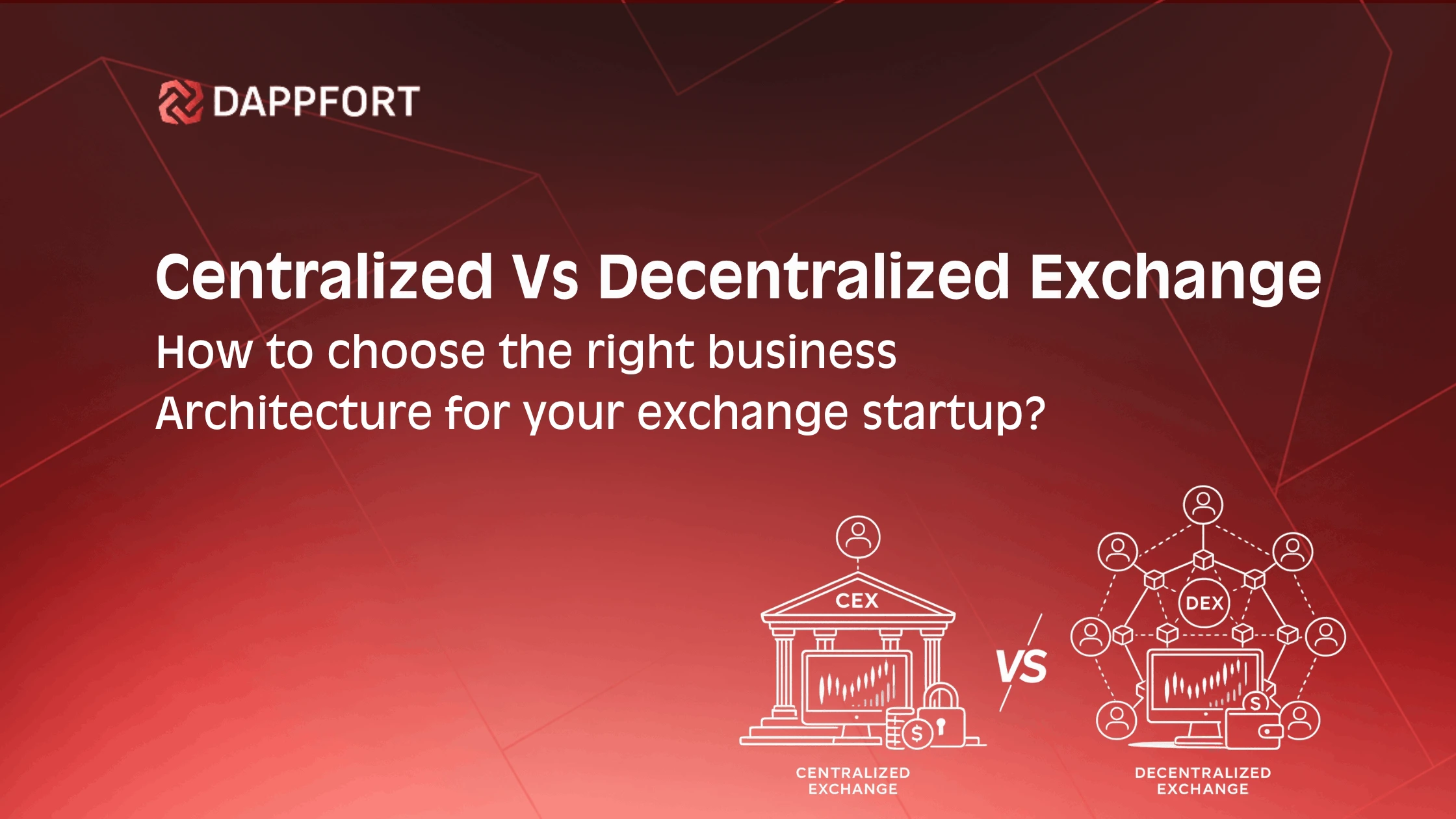
The type of exchange you plan to build—Centralized (CEX), Decentralized (DEX), or Peer-to-Peer (P2P)—will heavily influence your tech stack decisions.
- CEX: Requires a strong backend, database management, and wallet systems to handle high-frequency trades.
- DEX: Relies on blockchain smart contracts and on-chain transactions, so your stack must support secure blockchain integration.
- P2P Exchange: Focuses on secure user-to-user transactions and identity verification, prioritizing KYC/AML integrations and real-time monitoring.
Understanding your exchange type upfront ensures your tech stack aligns with the platform’s functionality and security needs.
Budget Constraints
Your budget determines which technologies you can afford and how complex your exchange can be.
- Small budgets: Open-source frameworks like Node.js, Python/Django, and PostgreSQL can reduce initial costs.
- Larger budgets: Enterprise-grade solutions, managed cloud infrastructure (AWS, Google Cloud, Azure), and advanced AI modules for predictive trading or fraud detection are feasible.
Budget planning is crucial, as tech choices will impact both development costs and long-term maintenance expenses.
Scalability Expectations
Crypto exchanges must handle high transaction volumes and real-time updates, especially during market surges.
- Choose technologies capable of horizontal scaling, such as Golang for backend, Redis for caching, and container orchestration with Docker & Kubernetes.
- Cloud infrastructure with autoscaling ensures your platform can handle user growth without downtime.
Planning for scalability early prevents performance bottlenecks and costly overhauls later.
Security Requirements
Security is non-negotiable in the crypto world. A tech stack should incorporate strong authentication, wallet protection, and prevention systems.
- Authentication: 2FA/MFA and KYC/AML integrations to protect user accounts.
- Prevention systems: Anti-DDoS, firewalls, WAFs, and encryption protocols.
- Wallet protection: Cold storage, private key management, and multi-signature support.
Prioritizing security ensures compliance, builds trust, and prevents catastrophic financial losses.
Maintenance and Developer Availability
Your tech stack should be easy to maintain, with a developer community or in-house expertise available.
- Evaluate frameworks and languages for ease of updates, debugging, and ongoing support.
- Ensure you can hire skilled developers for the selected technologies to handle continuous improvements and scaling.
Choosing widely adopted and well-supported technologies reduces operational risk.
Future-Proofing
Technology evolves rapidly, and your exchange should be ready for the future.
- Opt for modular and flexible solutions that can integrate AI, new blockchain networks, or advanced trading features.
- Scalable and upgradable infrastructure prevents the need for costly rebuilds as your platform grows.
Future-proofing your tech stack ensures your exchange remains competitive in the fast-evolving crypto market.
Actionable Checklist for Comparing Tech Solutions
When evaluating different technologies for your crypto exchange, it’s important to use a systematic checklist. This ensures you select a tech stack that is performant, secure, maintainable, and supported by a skilled developer ecosystem.
Performance Requirements Checklist:
The performance of your tech stack directly impacts trading speed, user experience, and system reliability.
- Can the backend handle high-frequency trades and sudden spikes in user activity?
- Are database queries and caching mechanisms optimized for real-time data updates?
- Does the infrastructure support low-latency communication between the frontend, backend, and blockchain components?
Choosing high-performance technologies ensures your exchange remains responsive even under heavy load.
Maintenance Requirements Checklist:
A maintainable tech stack reduces long-term costs and prevents operational bottlenecks.
- How easy is it to update, patch, or scale the technology?
- Does it have an active community or enterprise support to assist with troubleshooting?
- Are integrations and third-party services easy to manage and upgrade?
Opting for technologies with lower maintenance overhead saves both time and resources as your platform grows.
Security Certifications Checklist:
Security is critical in cryptocurrency exchanges. Always check whether a technology comes with industry-standard certifications or has been audited for vulnerabilities.
- Does the solution comply with standards such as ISO 27001, SOC 2, or PCI DSS?
- Are there proven security track records or third-party audits available?
- Does it integrate easily with your existing authentication and wallet protection systems?
Technologies with strong security credentials reduce risks of hacks and regulatory issues.
Developer Availability Checklist:
Even the best technology is ineffective without skilled developers to implement and maintain it.
- Is there a large pool of developers experienced in the technology?
- Can you hire talent locally or remotely to ensure continuous development?
- Are there training resources and documentation available to onboard new developers quickly?
Choosing widely adopted technologies ensures easier hiring, faster development, and long-term support.
Dappfort Insights: Crypto Exchange Tech Stack Trends for 2026 & Beyond
As cryptocurrency exchanges continue to evolve, industry experts emphasize the importance of adopting forward-looking technologies and practices. Insights from Dappfort’s senior developers highlight key trends and recommendations for building exchanges that remain competitive and secure in 2026 and beyond.
Embracing AI and Automation
According to Dappfort experts, AI integration will no longer be optional—it will be essential for modern exchanges.
- Predictive trading algorithms: AI can analyze market trends and help traders make informed decisions.
- Fraud detection: Machine learning models detect abnormal activity and prevent potential security breaches.
- Automated operations: Routine tasks like KYC verification, transaction monitoring, and customer support can be handled efficiently with AI-powered tools.
The Evolution of KYC and Compliance
Compliance processes are becoming more intelligent and seamless.
- AI-driven KYC and AML systems reduce onboarding time while maintaining strict regulatory standards.
- Developers recommend integrating solutions that adapt to global regulations, minimizing legal risks and improving user trust.
Web3 Integrations and Decentralized Features
The future of exchanges will increasingly blend centralized and decentralized models.
- Support for Web3 wallets and decentralized finance (DeFi) protocols allows users to interact with blockchain assets directly.
- Smart contract integrations enhance transparency, security, and user control over funds.
Staying Ahead of Trends
Developers emphasize that staying ahead requires continuous monitoring of emerging technologies.
- Focus on scalable infrastructure, cloud-native solutions, and container orchestration for future-proofing.
- Prioritize security-first development, especially with multi-signature wallets and AI-enhanced monitoring.
- Explore cross-chain compatibility to support diverse digital assets.
Real-Life Examples of Successful Cryptocurrency Exchange Tech Stacks
To give you a clearer picture, here are some real-life examples of well-known cryptocurrency exchanges and the tech stacks they use to ensure security, scalability, and high-performance trading.
Binance’s Crypto Exchange Tech Stack
Binance, one of the world’s largest cryptocurrency exchanges, leverages a robust and high-performance tech stack to handle millions of users and trades per day.
Front-End: React, Vue.js, HTML5, CSS3
Back-End: Java, Golang, Node.js
Database: MySQL, Redis, MongoDB
Other Tools: AWS for cloud hosting, Docker & Kubernetes for containerization, and custom trading engines for high-frequency order execution.
Binance’s stack emphasizes scalability and real-time trading, with strong focus on security and compliance.
Coinbase’s Crypto Exchange Technology Stack
Coinbase focuses on user-friendly interfaces and regulatory compliance, using a tech stack that balances performance and security.
Front-End: React, Redux, HTML5, CSS3
Back-End: Ruby on Rails, Node.js, Go
Database: PostgreSQL, Redis
Other Tools: AWS cloud services, Terraform for infrastructure management, and internal analytics tools for market insights and monitoring.
Coinbase’s stack supports seamless onboarding, secure wallets, and real-time trading updates.
Kraken’s Crypto Exchange Tech Stack
Kraken emphasizes security and reliability, combining proven technologies with advanced infrastructure to serve a global user base.
Front-End: React, TypeScript, HTML5, CSS3
Back-End: Go, Python, Node.js
Database: PostgreSQL, Redis
Other Tools: AWS & Google Cloud, Kubernetes for orchestration, and multi-signature wallets for secure asset storage.
Kraken’s approach ensures robust security, fast performance, and high availability even under heavy market loads.
Gemini’s Crypto Exchange Technology Stack
Gemini prioritizes compliance and user trust, using a tech stack that combines modern web frameworks with enterprise-grade backend and database solutions.
Front-End: React, JavaScript, HTML5, CSS3
Back-End: Java, Ruby on Rails
Database: PostgreSQL, Redis
Other Tools: AWS for hosting, Docker for containerization, and advanced KYC/AML modules to meet regulatory standards.
Gemini’s stack enables secure transactions, scalable operations, and seamless user experience.
Bitstamp’s Crypto Exchange Tech Stack
Bitstamp uses a lean but powerful tech stack to ensure high-performance trading and operational stability.
Front-End: Angular, React, HTML5, CSS3
Back-End: Java, Node.js
Database: PostgreSQL, MySQL, Redis
Other Tools: AWS cloud infrastructure, Kubernetes for scaling, and custom-built trading engines.
Bitstamp focuses on speed, reliability, and regulatory compliance, serving both retail and institutional traders efficiently.
Partner with Dappfort for the Perfect Cryptocurrency exchange Tech Stack
At Dappfort, a leading Cryptocurrency Exchange software Development company, we specialize in building custom crypto exchange solutions tailored to your unique business goals. Our expert team supports you at every stage — from choosing the right tech stack to implementing strong security, scalable infrastructure, and AI-powered features — so your platform is fully prepared to compete in the rapidly evolving crypto market.
Whether you’re launching a CEX, DEX, or P2P exchange, we help you:
- Choose the right architecture for performance and growth.
- Implement secure wallet management and KYC/AML compliance.
- Integrate advanced features like AI trading tools and Web3 compatibility.
Get in touch with us today to discover how Dappfort can help you build a future-proof cryptocurrency exchange platform.